
 Published on and written by Cyril Jarnias
Greece, with its picturesque landscapes, rich historical heritage, and Mediterranean lifestyle, is attracting an increasing number of international real estate investors. Whether you are considering buying a second home on a paradise island or investing in a rental property in a major city, understanding the dynamics of the Greek real estate market is crucial. This article provides an in-depth analysis of property prices in Greece’s main cities and sheds light on upcoming trends.
The Real Estate Landscape of Major Greek Cities
The Greek real estate market shows remarkable diversity, with significant price gaps between different regions and cities across the country. Here is an overview of prices in the main metropolises:
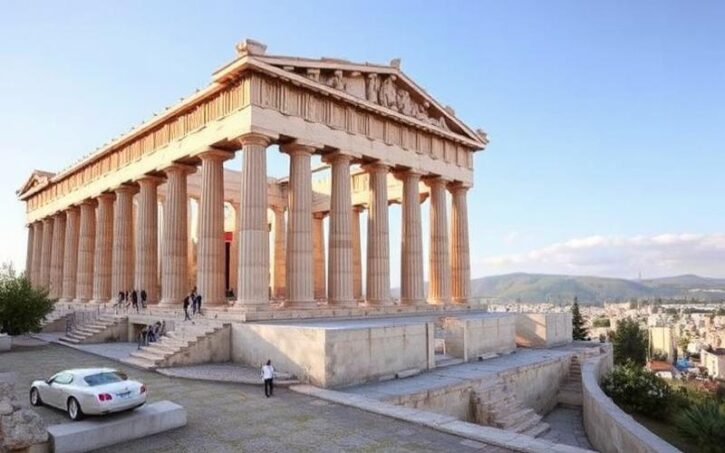
Athens, the capital, remains the nerve center of Greek real estate. Average prices per square meter vary considerably by neighborhood. In the sought-after city center, particularly around the Acropolis and in upscale areas like Kolonaki, prices can reach €3,000 to €4,000/m². Conversely, in less popular peripheral zones, it is possible to find properties around €1,500 to €2,000/m².
Thessaloniki, the country’s second city, offers interesting opportunities for investors. Average prices range between €1,500 and €2,500/m², peaking at €3,000/m² in the most sought-after downtown and seaside neighborhoods.
Patras, Greece’s third city, features more affordable prices, averaging around €1,200 to €1,800/m². This dynamic university city is increasingly attracting the attention of investors seeking attractive rental yields.
Heraklion, the main city of Crete, is experiencing growing demand, notably thanks to the island’s thriving tourism. Average prices range between €1,800 and €2,500/m², with significant variations depending on proximity to the sea and property quality.
It is important to note that these averages mask large disparities. Luxury properties or those in exceptional locations can far exceed these ranges, while opportunities at lower prices exist for properties needing renovation or in less popular neighborhoods.
Good to know:
Real estate prices in Greece vary considerably from city to city. Athens remains the most expensive, followed by Thessaloniki and major tourist cities like Heraklion. Mid-sized cities like Patras offer opportunities at more affordable prices.
Island Gems: A Market Apart
The Greek islands constitute a particular segment of the real estate market, with price dynamics often disconnected from the mainland. Here is an overview of trends on some iconic islands:
Mykonos and Santorini, undisputed stars of the Cyclades, display the highest prices in the country. On Mykonos, prices can easily exceed €10,000/m² for luxury properties with sea views, while the average hovers around €5,000 to €7,000/m². Santorini follows closely with average prices between €4,000 and €6,000/m², potentially climbing much higher for the famous cave houses with caldera views.
Corfu, in the Ionian Sea, presents a more diversified market. Prices range from €2,000 to €5,000/m² depending on location and property quality. Luxury properties in the northeast of the island, nicknamed “Kensington-on-Sea,” can reach heights comparable to Mykonos.
Rhodes, in the Dodecanese, offers a price range from €1,500 to €4,000/m². The medieval old town and sought-after coastal areas like Lindos see the highest prices, while the island’s interior remains more affordable.
Crete, the largest Greek island, features a varied real estate market. Besides Heraklion already mentioned, cities like Chania are seeing their prices rise, with an average around €2,500 to €3,500/m² for quality properties in the city center or near beaches.
It is crucial to understand that the island real estate market is heavily influenced by tourism and international demand. Prices can experience significant seasonal variations and are generally higher than on the mainland for comparable properties.
Good to know:
The Greek islands, particularly Mykonos and Santorini, represent the top end of the Greek real estate market with prices potentially exceeding €10,000/m². However, more affordable opportunities exist on less publicized islands or in the interior of island territories.
Factors Influencing Real Estate Prices in Greece
Several key elements help shape the landscape of real estate prices in Greece:
Location remains the primary factor. Proximity to the sea, panoramic views, access to amenities and transportation strongly influence prices. On the islands, the distance from the most popular beaches and tourist attractions is decisive.
Property condition also plays a crucial role. Recently renovated or newly built properties meeting modern standards command higher prices. Conversely, properties requiring significant work can offer purchase opportunities at lower prices, but renovation costs must be factored in.
Rental potential strongly influences prices, especially in tourist areas. Properties offering good prospects for seasonal rentals are particularly sought after, and their prices reflect this yield potential.
Accessibility is an important factor, especially for the islands. Those with an international airport or frequent maritime connections to the mainland tend to have more dynamic real estate markets and higher prices.
Local regulations regarding urban planning and construction can affect prices. Areas where building permits are difficult to obtain or where restrictions are numerous often see their prices rise due to the scarcity of available properties.
International demand plays a significant role, particularly since the introduction of the Greek “Golden Visa.” This program, which offers a residence permit to non-European investors purchasing properties worth at least €250,000, has stimulated demand in certain regions.
- In major cities like Athens and Thessaloniki, proximity to business centers, universities, and cultural areas strongly influences prices.
- On the islands, property orientation (sun exposure, sea view) and distance from beaches are crucial factors.
- The quality of local infrastructure, particularly access to water and electricity, can vary considerably and impact prices, especially in less developed rural or island areas.
Good to know:
Location, property condition, rental potential, and accessibility are the main factors influencing real estate prices in Greece. International demand, stimulated by the “Golden Visa” program, also plays an important role in certain regions.
Trends and Forecasts: Where is the Greek Real Estate Market Heading?
After years of crisis and stagnation, the Greek real estate market is showing encouraging signs of recovery and growth. Here are the main trends to watch in the coming years:
Post-crisis recovery: Since 2018, the Greek real estate market has been experiencing a gradual recovery. This trend is expected to continue, supported by the country’s economic stabilization and growing interest from foreign investors. According to data from the Bank of Greece, apartment prices increased by an average of 9.1% year-on-year in 2023, continuing the upward trend observed for several years.
Attractiveness of major cities: Athens and Thessaloniki should continue to attract the attention of investors, both local and international. The ongoing urban renewal in these cities, coupled with increasing rental demand, suggests a continued rise in prices in central and well-served neighborhoods.
Tourism boom and impact on real estate: The booming Greek tourism sector will continue to strongly influence the real estate market, particularly on the islands and in seaside resorts. Growing demand for short-term rentals (Airbnb-type) should maintain upward pressure on prices in popular tourist areas.
Diversification of investors: There is a growing diversification in the origin of foreign investors in Greece. Besides traditional buyers (Germans, British), there is increasing interest from Chinese, Russian, and Middle Eastern investors, attracted notably by the Golden Visa program.
Sustainable development and energy renovation: Environmental concerns and new European regulations on energy efficiency should stimulate the renovation of the older housing stock. Properties meeting ecological standards could see their value increase faster than the market average.
Digitalization and smart homes: The trend towards more connected and intelligent housing should intensify, particularly in new constructions and high-end renovations. This evolution could create a growing price gap between “traditional” properties and those integrating these new technologies.
Post-Covid preference shifts: The pandemic has changed some buyer expectations, with increased demand for outdoor spaces (balconies, terraces, gardens) and more spacious homes suitable for teleworking. This trend could push prices higher for properties meeting these criteria.
Numerical forecasts: – According to projections from the Bank of Greece, real estate price growth should remain between 5% and 7% per year for the next few years, with significant variations by region. – Major cities like Athens and Thessaloniki could see their prices increase by 8% to 10% annually in the most sought-after neighborhoods. – For popular tourist islands, price growth of 10% to 15% per year is not out of the question, particularly for high-end properties or those with strong rental potential.
Good to know:
The Greek real estate market is expected to continue its growth in the coming years, driven by economic recovery, tourist appeal, and interest from foreign investors. Major cities and popular tourist destinations should experience the most significant price increases.
Opportunities and Challenges for International Investors
The Greek real estate market offers numerous opportunities for international investors, but it also presents specific challenges that need to be well understood:
Opportunities:
Attractive prices compared to other Mediterranean destinations: Despite the recent rise, real estate prices in Greece generally remain more affordable than in other popular Mediterranean countries like Spain or Italy. This situation offers interesting capital appreciation potential in the medium to long term.
Golden Visa Program: This program, which offers a residence permit to non-European investors for a minimum real estate investment of €250,000, remains a major asset. It opens up interesting prospects for investors looking to combine real estate investment with mobility benefits within the Schengen area.
High rental potential: Thriving tourism in Greece offers excellent rental yield opportunities, particularly in popular destinations. Seasonal rentals can generate substantial income, with high occupancy rates during the peak season.
Portfolio diversification: Greek real estate can be an excellent diversification option for international investors, offering exposure to a growing market in a stabilizing economy.
Challenges:
Administrative complexity: Administrative procedures in Greece can be complex and time-consuming for foreigners. It is crucial to surround yourself with competent local professionals (lawyers, notaries) to navigate the purchase process effectively.
Taxation: The Greek tax system has undergone many changes in recent years. Investors must stay informed about tax obligations related to property ownership and rental income, which can be significant.
Market risks: Although the market is growing, it remains sensitive to economic and political fluctuations. The dependence on tourism in certain regions can also represent a risk in the event of a decline in visitor numbers.
Remote maintenance and management: For non-resident investors, managing and maintaining properties can pose logistical challenges, particularly for properties located on islands or in rural areas.
Restrictions in certain areas: Some regions, particularly near borders or in military zones, are subject to restrictions for foreign buyers. It is essential to check these aspects before any investment.
- The short-term rental market is increasingly regulated, with registration requirements and limitations in some urban areas.
- Renovating older properties can prove more costly and complex than expected, especially in historic centers or on islands where materials and skilled labor may be harder to find.
- Seasonal variations in rental demand can affect profitability, requiring careful management of off-peak periods.
Good to know:
The Greek real estate market offers attractive opportunities for international investors, notably thanks to competitive prices and strong rental potential. However, it is crucial to thoroughly understand the administrative, tax, and logistical challenges before embarking on an investment.
Conclusion: A Promising Market That Requires a Savvy Approach
The Greek real estate market presents undeniable potential for international investors. The diversity of opportunities, ranging from urban apartments to island villas, offers options for all investor profiles. The country’s economic recovery, coupled with growing tourist appeal, suggests positive prospects for the years ahead.
However, like any foreign investment, it is crucial to adopt a cautious and well-informed approach. Understanding local dynamics, legal and tax aspects, as well as a thorough analysis of region-specific opportunities, are essential for a successful investment in Greece.
Potential investors should also consider their personal goals: are they seeking short-term rental yield, long-term capital appreciation, or a combination of both? The answer to this question will guide the choice of location and property type.
Finally, it is recommended to surround yourself with trusted local professionals who can guide the investor through the intricacies of the Greek market and ensure a secure transaction.
With a thoughtful and well-prepared approach, real estate investment in Greece can prove not only financially rewarding but also an enriching experience, opening the door to a Mediterranean lifestyle envied worldwide.
Disclaimer: The information provided on this website is for informational purposes only and does not constitute financial, legal, or professional advice. We encourage you to consult qualified experts before making any investment, real estate, or expatriation decisions. Although we strive to maintain up-to-date and accurate information, we do not guarantee the completeness, accuracy, or timeliness of the proposed content. As investment and expatriation involve risks, we disclaim any liability for potential losses or damages arising from the use of this site. Your use of this site confirms your acceptance of these terms and your understanding of the associated risks.

Cyril Jarnias is an independent expert in international wealth management with over 20 years of experience. As an expatriate himself, he is dedicated to helping individuals and business leaders build, protect, and pass on their wealth with complete peace of mind.
On his website, cyriljarnias.com, he shares his expertise on international real estate, offshore company formation, and expatriation.
Thanks to his expertise, he offers sound advice to optimize his clients' wealth management. Cyril Jarnias is also recognized for his appearances in many prestigious media outlets such as BFM Business, les Français de l’étranger, Le Figaro, Les Echos, and Mieux vivre votre argent, where he shares his knowledge and know-how in wealth management.





