
 Published on and written by Cyril Jarnias
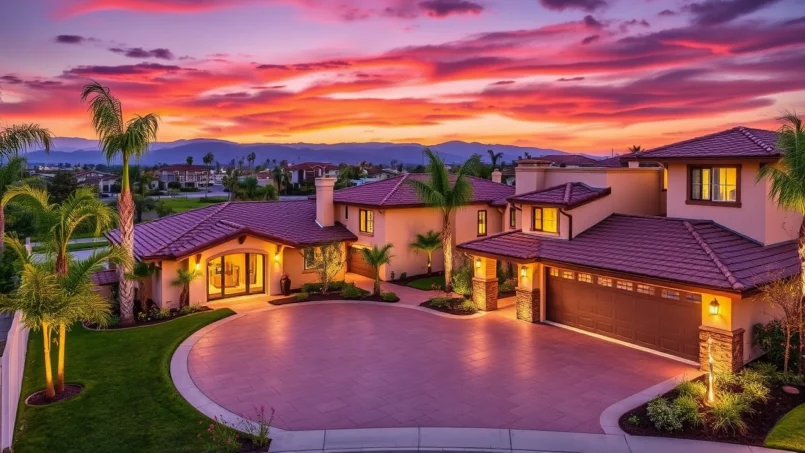
Nestled in southern Orange County, Mission Viejo has been attracting American families for decades with its tree-lined streets, rolling hills, and large private lake, Lake Mission Viejo. For an investor, this master-planned city brings together several ingredients rarely found in one place: some of the best safety rankings in California, highly rated public schools, high income levels, and a dynamic commercial fabric around centers like The Shops at Mission Viejo or Kaleidoscope Courtyards.
Real estate investment in San Diego comes with a high entry ticket and modest gross rental yields. It is essential to thoroughly understand and prepare your case given the specific rules, particularly those of homeowners associations (HOAs), local taxation, and California tenancy laws. A deep analysis of the market (prices, rents, neighborhoods), strategies, risks, and financing options is recommended.
A Geographic and Socio-Economic Framework Built for Stability
Mission Viejo is a vast planned community, approximately 18 square miles, set in the Saddleback Valley and bordered by the Saddleback Mountains. It has around 90,000 to 93,000 residents, with a density of about 5,000 residents per square mile, making it a fairly dense city but far from the pressure of neighboring urban centers like Santa Ana.
The median annual household income is approximately $126,000, indicating an upper-middle-class socio-economic profile.
Major employment hubs (tech, healthcare, professional services, and manufacturing) are located in Irvine, Costa Mesa, Newport Beach, or Laguna Niguel, all accessible within 30 to 60 minutes via Interstate 5 and toll roads 241 and 73. John Wayne Airport is about twenty minutes away, Disneyland is about thirty miles, and Laguna Beach is approximately 15 miles. This accessibility enhances residential appeal without plunging the city into the chaos of a megacity.
Mission Viejo is ranked among the safest cities in California, with a crime rate 61% lower than the national average. The city offers many public amenities (hospitals, library, community center) and an extensive network of parks and trails, attracting families, retirees, and teleworkers.
An Expensive, Dynamic Real Estate Market Still Oriented Toward Sellers
The first shock for an investor coming from a less tight market is the price level. In Mission Viejo, the “mid-range” sits at a level that many U.S. markets would reserve for the high end.
Price Levels and Recent Trends
Various sources converge on a price range, in 2024–2025, between about $1.1 and $1.2 million for the median home, with a price per square foot mostly between $594 and $658 depending on the period and methodology. Over the period March 2023 – February 2024, the median sales price was $1,030,000, with a typical home around 1,730 square feet.
By property type, the hierarchy is clear:
| Property Type | Median Sales Price* | Comment |
|---|---|---|
| Single-Family Home | $1,155,000 | Dominant and most sought-after segment |
| Townhouse | $796,000 | Interesting price/size compromise |
| Condo (Condominium) | $689,950 | Most accessible entry point |
12-month data, March 2023 – February 2024
The median real estate price has increased by about 16.6% over three years.
Sales Dynamics: A “Moderately Competitive” Market
Indicators from Redfin and similar sources describe a “mild seller’s market”: still favorable to sellers, but significantly less frenetic than in 2021–2022.
According to sources and measurement period:
– Homes typically receive two offers,
– Properties remain on the market for a median of 40 to 60 days, with phases where this timeframe dropped to 9 days (tightest period) and others where it rises to around 54 days, an increase of over 25% year-over-year,
– Over certain periods, 42% of homes sell above the asking price, and nearly 60% find a buyer within 30 days.
Meanwhile, inventory is rising slightly. Some reports mention 178 to over 230 active listings, with an increase of about 11.6% in the number of homes for sale year-over-year. However, months of supply remain around 1.2 months, still typical of a tight market.
Negotiation conditions in the real estate market illustrate a shift toward more realism. On average, homes sell for about 1% below the original listing price. Some highly sought-after “hot” properties can still sell for 1% above listing. However, a significant portion of listings now show price reductions during the marketing period, reflecting a market rebalancing.
Price Projections: More Moderate but Continued Growth
Projection models cited in the report anticipate price appreciation on the order of 2.5% to 4% per year over the medium term. One scenario, for example, projects an average price moving from $849,120 to approximately $871,500 in one year, an expected gain of 2.64%, and a cumulative increase of over 17% over ten years.
These forecasts are based on a combination of factors: scarcity of available land, school quality, safety, demand from high-income households, and sustained interest from buyers coming from more expensive metropolitan areas like San Francisco, Seattle, or Los Angeles. In this context, Mission Viejo real estate behaves less like a speculative asset and more like a “residential Treasury bond”: low volatility, moderate current yield, but gradual and fairly predictable appreciation.
A Tight Rental Market, but Moderate Yields
For an investor, the other piece of the puzzle is, of course, rents. Here again, Mission Viejo shows high levels, but they don’t always fully compensate for the acquisition cost.
Available indicators provide a range:
Overview of trends and rent ranges for different housing types.
Median rent is about $4,300 per month, with annual increases sometimes exceeding 8%.
Average rents across all property types range from $3,000 to $4,600 per month depending on the source.
The range of advertised rents fluctuates between $1,000 and $11,500 per month.
Most family homes fall within a range of $3,200 to $6,000 per month.
By property type, the following orders of magnitude emerge:
| Rental Type | Estimated Average Monthly Rent |
|---|---|
| 1-Bedroom Apartment | $1,800 – $2,300 |
| 2-Bedroom Apartment | ~ $2,850 |
| Well-Located Condo | $2,500 – $3,500 |
| 3-Bedroom Single-Family Home | $3,200 – $3,800 |
| 4–5 Bedroom Family Home | $4,000 – $6,000 |
| Luxury Rental Near the Lake | $6,000+ |
The rental vacancy rate is typically between 4% and 6%, with levels even below 4% near Lake Mission Viejo or in the most sought-after neighborhoods. From this perspective, rental demand is strong, driven by families who cannot buy, professionals on assignment, Saddleback College students, and households in transition.
Yield indicators show that this model has limitations for investors seeking immediate cash flow, as it does not allow for rapid liquidity generation.
– Annual gross yields (annual rent / purchase price) often fall between 3.5% and 4.5%,
– Overall return on investment (including appreciation) is commonly assessed between 4% and 7%,
– Average cash-on-cash returns, for both standard rentals and Airbnb-type rentals, hover around 2% in some analyses.
In other words, Mission Viejo is better suited to capitalized investors who can inject a substantial down payment and wait several years, targeting property appreciation, rather than to profiles seeking significant cash flow from year one.
Key Neighborhoods: From the Lake to 55+ Communities, Where to Invest Specifically?
The city is divided into many micro-markets. Some offer a better access/price compromise, while others play the prestige card or target a niche audience (seniors, gated communities, lake-view condominiums).
A Few Emblematic Sub-Markets
Aggregated data by neighborhood allows for a better ranking of opportunities. Here is an excerpt of what emerges for some of them:
| Neighborhood | Median Price | Price / Sq Ft | Median Rent | Average Days on Market |
|---|---|---|---|---|
| Casta del Sol | $969,900 | $675 | $3,975 | 55 |
| Rancho Trabuco | $1,187,500 | $615 | $4,550 | 51 |
| Canyon Estates | $2,144,000 | $609 | $6,972 | 86 |
| Palmia | $1,049,499 | $617 | $4,350 | 70 |
| Aliso Villas | $585,000 | $606 | (not indicated) | 52 |
Casta del Sol and Palmia are well-known 55+ communities, particularly suited for investment targeting active seniors seeking safety, services, and community life, with acquisition prices still relatively contained.
This is the monthly rent for luxury homes in Canyon Estates, targeting a very affluent clientele.
Other neighborhoods, such as Pacific Hills, Canyon Crest, Galicia, Painted Trails, or the Lake Mission Viejo area, combine views, lake or trail access, proximity to major thoroughfares, and highly rated schools. They concentrate a significant share of demand from high-income families, who also represent an excellent pool of creditworthy tenants.
North vs. South, the Lake, and Emerging Areas
The report also distinguishes several major zones:
Explore the main areas of Mission Viejo, each offering a distinct character, price range, and advantages for real estate investors.
A mix of older subdivisions and recent developments, close to The Shops at Mission Viejo mall and well-ranked schools. Prices rising in the mid-to-high range. Varied offerings: single-family homes, townhomes, and condos.
A more affordable area with good appreciation potential. Ideal for townhomes and condos offering excellent price-to-location value.
Premium properties with lake access, private beaches, and water sports. High end of the market, perfect for a luxury positioning, though rental yields may be more limited at times.
A set of neighborhoods with unique architectural features and varying proximity to parks, schools, and roadways. Examples: Anacapa (Mediterranean/contemporary style, ~$940k) and Cordova Vista (family homes from the 1940s-1980s, ~$795k-$980k).
For an investor, the choice of neighborhood must therefore be based on the target positioning: seniors, high-end families, more budget-sensitive tenants, or even a long-term appreciation strategy in areas undergoing revitalization.
Schools and Quality of Life: Demand Drivers Not to Underestimate
In Mission Viejo, schools are not just a comfort parameter: they have a direct impact on demand, rents, and property values. The city is served by the Saddleback Valley Unified School District and Capistrano Unified School District, both well-regarded.
Several elementary schools show math proficiency rates above 70–80% and maximum ratings on evaluation scales:
| Elementary School | Rating (GreatSchools) | Math Proficiency |
|---|---|---|
| Oxford Preparatory Academy | 9 / 10 | 84% |
| Philip J. Reilly Elementary | 9 / 10 | 83% |
| Castille Elementary | 9 / 10 | 79% |
| De Portola Elementary | 9 / 10 | 76% |
| Bathgate Elementary | 9 / 10 | 72% |
At the middle and high school level, schools like Trabuco Hills High, Mission Viejo High, Capistrano Valley High, Newhart Middle, or La Paz Intermediate reinforce this excellent academic image. For a tenant family, renting near these schools is often a top priority; for an owner-occupier, it is a criterion that justifies paying a premium. For an investor, positioning within walking distance or a short drive of these schools secures both occupancy and resale.
The city offers an excellent quality of life with low crime, lake access, parks, golf clubs (Mission Viejo Country Club, Arroyo Trabuco Golf Club), shopping centers, and restaurants. The rise of telecommuting has significantly increased demand for homes with a dedicated office, outdoor space, and a quiet environment, while remaining well-connected to major metropolitan areas.
Taxes, HOA, Mello-Roos: What the Numbers Don’t Immediately Reveal
Behind the purchase price and expected rent lie several layers of recurring costs that must be integrated from the yield calculation phase.
Property Tax: A Seemingly Reasonable Rate, a High Actual Amount
In California, the basis for property tax is set by Proposition 13 at 1% of the assessed value, with an annual cap of 2% on the increase of that value as long as the property does not change hands. In Mission Viejo, data suggests a median effective rate around 1.0–1.01%, slightly below the California average (1.21%) and close to the national average (1.02%).
But with median homes near $1.2 million, the annual bill easily falls within a range of $5,000 to $6,500, or even more in some areas. Depending on the zip code, we see, for example:
| Zip Code | Median Effective Rate | Median Annual Tax | Median Home Value |
|---|---|---|---|
| 92691 | 1.02% | ~ $5,028 | ~ $493,000 (older base) |
| 92692 | 1.01% | ~ $6,153 | ~ $609,000 (older base) |
In newer developments and neighboring areas (like 92694, Ladera Ranch / Rancho Mission Viejo), additional Mello-Roos taxes can drive up the bill, with annual amounts potentially exceeding $20,000 in extreme cases.
Property tax exemptions exist, including a $7,000 reduction in the assessed value for primary residences, as well as provisions for disabled veterans or seniors transferring their tax base (Proposition 19). These provisions are generally of little relevance for an investor, as the property is not owner-occupied.
HOA: Recurring Fees That Eat into Yield
Another item to factor in well: condominium fees or HOA dues. In Mission Viejo, many neighborhoods are managed by homeowners associations, with monthly dues typically ranging from $100 to $400, and potentially exceeding $500 in the most luxurious complexes offering pools, gyms, private security, etc.
For a townhouse or condo, HOA fees cover the maintenance of common areas and various services. In new developments, contributions to Community Facilities Districts (CFDs) may be added, sometimes amounting to tens of thousands of dollars per year, as seen in some projects in Rancho Mission Viejo.
An example in the report illustrates this reality: in a community like Arrowleaf, HOA fees are estimated between $248 and $262 per month, plus a special district tax ranging from $17,337 to over $20,000 per year. In such a context, the investor must be particularly attentive to the potential rent and target clientele.
Financing an Investment in Mission Viejo: What Realistic Options?
The price level almost always requires borrowing, except for investors with significant liquidity. However, loans for income properties are more demanding than those for primary residences.
Traditional Loans and Bank Requirements
Banks and credit unions typically require for a rental property investment:
– A down payment of 20% to 25%, or even 30% for some profiles,
– An interest rate 0.5 to 1 point higher than for a primary residence,
– A tight debt-to-income (DTI) ratio, especially in a context of rates around 6.5%–7.5%.
Monthly mortgage payment for a $1.2 million home financed at 80% over 30 years at a 6.75% interest rate.
Specific products like DSCR (Debt Service Coverage Ratio) loans allow credit approval to be based on the property’s ability to generate sufficient rental income to cover the monthly payment. Lenders typically expect a ratio of at least 1.0 to 1.25, meaning the projected gross rent must exceed the debt service by 0% to 25%.
Hard Money, Seller Financing, and Alternative Financing
For certain operations (fix & flip, quick acquisitions, atypical files), investors turn to more flexible solutions:
Two options exist for financing a real estate purchase outside traditional bank loans. Hard money loans, offered by private companies, are granted primarily based on the property’s value rather than the borrower’s profile. They offer amounts starting from $100,000, with rates of 7% to 8% and short terms (e.g., 36 months). Additionally, seller financing (land contracts or wrap-around mortgages) allows an investor to access the market with a limited banking profile. These arrangements are complex, require professional involvement (real estate agent, escrow, title company), and typically do not cover 100% of the financing.
Other more conventional solutions round out the toolkit: HELOC or mortgage on the primary residence to provide the down payment, portfolio loans held by the bank, or even using retirement funds via a self-directed IRA (with strict tax rules).
For a foreign or remote investor, it is essential to establish a detailed financing plan upfront, including not only acquisition but also the cash reserves needed to withstand periods of vacancy or unexpected repairs, which are common in a housing stock largely dating back to the 1970s–1980s.
Investment Strategies Suited to Mission Viejo’s Profile
Given the high cost per square foot and relatively modest current yields, certain strategies work better than others.
Long-Term Residential Buy & Hold
This is the most consistent strategy with the city’s profile: buy a single-family home, townhouse, or condo in a good school district, rent it to a stable family or professional couple, then hold it for several years to benefit from market appreciation.
In this approach, the performance levers are:
– Buying in an area with strong appreciation potential (proximity to Lake Mission Viejo, developing neighborhoods, areas with infrastructure or commercial renovation projects like the Los Osos Core Area),
– Choosing a “turnkey” or easily upgradeable property (kitchen, bathrooms, energy efficiency, home office space),
– A rental pricing policy aligned with the market, with regular but reasonable increases to minimize turnover.
Multi-Unit Properties, ADUs, and Intergenerational Living
Even though the residential stock is predominantly single-family homes (about 72% of inventory), small multi-unit buildings (duplexes, triplexes, 2–4 units) and properties with ADU (Accessory Dwelling Unit) potential offer interesting prospects:
Overview of key indicators and demand trends for small residential multi-unit properties.
Cap rates for small multifamily properties generally range between 4% and 5.5%.
Rents for two- or three-bedroom units easily exceed $2,500–$3,800 per unit.
Demand for intergenerational configurations or accessory units for students and young professionals is growing.
Recent California legislation, favoring ADUs, can allow converting a garage or outbuilding into an additional rental unit, thereby improving the overall profitability of the property, subject to compliance with local rules and any HOA restrictions.
Selective Fix & Flip
Fix & flip is more challenging in Mission Viejo, mainly due to high entry prices, significant renovation costs, and competition from owner-occupiers willing to overbid for a “turnkey” property.
This strategy can still work in specific cases:
Opportunities include homes from the 1970s–1980s that are still in original condition and located in premium areas, properties with cosmetic issues but a sound structure, as well as homes sold below market value due to an estate sale or a seller’s special situation.
In these scenarios, using short-term hard money financing, aiming for a quick resale after renovations, can yield an attractive margin. But any budget or timing error can be costly, especially in a market where days on market tend to lengthen.
Short-Term and Vacation Rentals: Regulated Potential
Proximity to Disneyland, Orange County beaches, and the park network may appeal to Airbnb enthusiasts. However, Mission Viejo regulates short-term rentals through local rules and HOA regulations. The observed cash-on-cash returns around 2% show this segment is not an instant goldmine.
For a short-term rental to make sense, you need:
– Carefully verify municipal and HOA regulations,
– Target a truly differentiated product (lake view, large capacity, high-end finishes),
– Accept a much higher level of management and occupant turnover than with long-term rentals.
Property Management: Professionalizing to Preserve Yield
Treating an investment in Mission Viejo like a small business rather than a passive investment is imperative, especially since California laws are known for being protective of tenants.
Recurring advice from local professionals focuses on several areas:
For effective property management and investment value enhancement, it is recommended to: use an experienced property manager to set rent, screen tenants, oversee maintenance, and handle administration; utilize analysis and tracking tools such as dashboards, digital accounting, monthly reporting, and ROI simulations; and anticipate renovations to remain competitive, especially energy efficiency upgrades (windows, insulation, air conditioning, solar panels), kitchen and bathroom modernization, creating telework spaces, and installing water-efficient landscaping.
Retaining good tenants becomes a crucial issue: each move-out incurs costs for reconditioning, vacancy, marketing, and sometimes rent concessions. Good practices – responsiveness on maintenance, online payments, clear communication, incentives for lease renewal – can boost long-term profitability more than a sharp rent increase.
Risks and Limitations: What Mission Viejo Is Not
Despite its many strengths, investing in Mission Viejo is not suitable for all investor profiles.
Several risks or constraints must be consciously acknowledged:
The investment has a high entry price and modest current yields (~2%). It is subject to strict and complex tenancy regulations. The aging housing stock may contain hazardous materials (asbestos, lead). Finally, natural hazards (wildfires, earthquakes, water stress) entail significant upgrade costs and operational constraints.
A prudent investor should therefore plan for sufficient financial flexibility to absorb these contingencies, take out appropriate insurance policies (including earthquake, and possibly flood or wildfire), and seek guidance from experienced local professionals (agents, property managers, attorneys, tax advisors).
Conclusion: For Which Investor Profile Does Mission Viejo Make Sense?
Based on available data, Mission Viejo positions itself more as a “wealth” market than a hunting ground for yield chasers. The city checks almost all the boxes for long-term security: robust regional economy, creditworthy population, low crime rate, excellent schools, attractive natural environment, well-developed commercial and healthcare infrastructure.
In return, the investor must accept:
– A significant initial financial outlay,
– Gross yields that do not compete with secondary or tertiary markets,
– A regulatory and tax environment that requires time to understand.
For high-income households, this investment allows for portfolio diversification, retirement planning, and building a transferable asset in a high-quality living environment. For professional or institutional investors, the city offers stability and predictability, making it a solid element within a broader real estate portfolio.
Conversely, for an undercapitalized beginner investor, or for a profile focused exclusively on quick cash flow, other more affordable markets – including within California – will likely offer a better risk/return ratio.
The key, as often in real estate, lies less in the market itself than in the alignment between what the market truly offers and what the investor is seeking. Mission Viejo, with its hills, its lake, and its shaded streets, primarily rewards those who think long-term, master their numbers, and see real estate not as a gamble, but as a patient wealth-building strategy.
Disclaimer: The information provided on this website is for informational purposes only and does not constitute financial, legal, or professional advice. We encourage you to consult qualified experts before making any investment, real estate, or expatriation decisions. Although we strive to maintain up-to-date and accurate information, we do not guarantee the completeness, accuracy, or timeliness of the proposed content. As investment and expatriation involve risks, we disclaim any liability for potential losses or damages arising from the use of this site. Your use of this site confirms your acceptance of these terms and your understanding of the associated risks.

Cyril Jarnias is an independent expert in international wealth management with over 20 years of experience. As an expatriate himself, he is dedicated to helping individuals and business leaders build, protect, and pass on their wealth with complete peace of mind.
On his website, cyriljarnias.com, he shares his expertise on international real estate, offshore company formation, and expatriation.
Thanks to his expertise, he offers sound advice to optimize his clients' wealth management. Cyril Jarnias is also recognized for his appearances in many prestigious media outlets such as BFM Business, les Français de l’étranger, Le Figaro, Les Echos, and Mieux vivre votre argent, where he shares his knowledge and know-how in wealth management.





