
 Published on and written by Cyril Jarnias
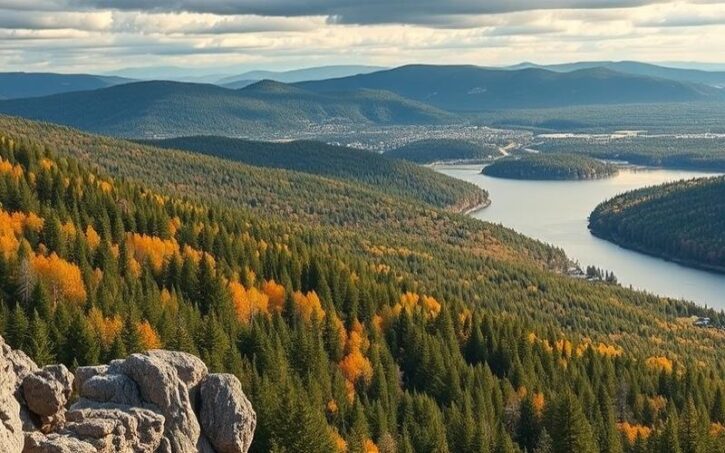
New Hampshire real estate in 2025 presents a dynamic and rapidly evolving landscape, offering unique opportunities tailored to the new expectations of investors and residents. Between the rise of sustainable communities, the revival of urban areas, and the growing demand for modular residential spaces, the real estate market in this northeastern state continues to reinvent itself. Current trends are moving toward a balance between technological innovations, environmental respect, and preservation of quality of life, promising a living environment where modernity and tradition coexist harmoniously. As New Hampshire leverages its rich heritage to shape the future, understanding these trends and their implications is essential to fully grasp the promising prospects of the real estate sector in 2025.
Influx of Residents: A Tax Haven in New Hampshire
Influx of Residents: A Tax Haven in New Hampshire
New Hampshire is attracting more and more residents thanks to its reputation as a tax haven. The absence of a state income tax and property tax rates among the lowest in the country make it a prime destination for taxpayers looking to reduce their tax burden.New Hampshire’s tax advantages also include exemptions from sales and payroll taxes, which further enhances its appeal. These measures particularly encourage remote workers and retirees to relocate, enjoying a peaceful living environment and favorable tax conditions.
The influx of new residents has a direct impact on the real estate market. Home prices have risen nearly 15% since 2020, with increased demand in rural and suburban areas. Moderately priced properties are becoming scarce, pushing some local residents away from urban centers.
Local infrastructure is also under pressure. Schools, roads, and public services must adapt to this rapid population growth. Some municipalities are investing in expansion projects, but logistical and budgetary challenges persist.
On the economic front, the arrival of new residents boosts local businesses and creates jobs in the construction and service sectors. However, this dynamic also widens inequalities, as some local workers struggle to keep up with the rising cost of living.
Forecasts for 2025 indicate a continuation of this trend, with an estimated 50,000 additional new residents. Experts anticipate increased pressure on housing and a possible revision of tax policies to balance growth and sustainability.
Finally, New Hampshire must find a balance between its tax appeal and the preservation of its quality of life. Policy decisions in the coming years will be crucial to maintaining this balance while supporting a booming economy.
Good to know:
New Hampshire is attracting more and more new residents thanks to its tax advantages, including the absence of a state income tax and low property tax rates compared to many other states. This reputation as a tax haven contributes to an influx of newcomers, which significantly boosts the local real estate market. In 2025, an increase in housing demand is expected, leading to a rise in real estate prices, even though limited supply hampers some expansions. This population boom has profound repercussions on local infrastructure, requiring investments in transportation, education, and healthcare to support regional economic growth. For example, a recent study indicates a population growth of 5% since 2020, which exacerbates pressures on local services but also fosters economic dynamism.
Pressure on the Mountain Chalet Market
Economic and Social Factors
Demand for mountain chalets in New Hampshire is driven by the rise of remote work, allowing buyers to settle in rural areas without sacrificing their jobs. The appeal of natural spaces and a quieter quality of life reinforces this trend. Real estate prices have increased by 12% in 2023, according to local data, with a shortage of chalets available in the most sought-after areas.Buyer Behavior
Buyers are primarily looking for second homes or short-term rental properties, capitalizing on strong tourist demand. Seasonal rentals generate attractive income, encouraging investors to acquire well-located chalets.Government Policies and Market
Local regulations on short-term rentals influence prices, with some municipalities imposing restrictions. Fluctuations in the national market, such as rising interest rates, are slightly slowing sales, but demand remains strong.Well-equipped chalets close to ski resorts are seeing their values rise faster, with prices often exceeding 30% of the regional average.
Good to know:
The mountain chalet market in New Hampshire is experiencing increased pressure in 2025, largely influenced by remote work, which allows many buyers to settle far from urban centers and enjoy the charm of rural areas. This trend has led to a notable increase in demand, with chalet prices rising an average of 12% compared to the previous year. Buyers are primarily city dwellers looking for second homes or short-term rental investments, spurred by the popularity of vacation rental platforms. However, chalet availability remains limited, exacerbating competition among buyers. Local policies aimed at protecting natural spaces and regulating short-term rentals add an extra layer of complexity, affecting both supply and prices. Meanwhile, fluctuations in the national real estate market, particularly rising interest rates, also impact purchasing power and transaction volume in this niche sector, making expert wealth management advice particularly valuable for savvy investments.
Preserving the Historic Heritage of Downtown Areas
Local Initiatives for Historic Preservation
New Hampshire towns have implemented programs to restore and protect historic buildings, such as municipal grants and tax credits for property owners. For example, Manchester and Portsmouth offer tax incentives for renovations that meet historic standards. Public-private partnerships also fund rehabilitation projects, like converting old factories into lofts or commercial spaces.Impact on Property Values
Historic preservation often increases property values by attracting buyers seeking character and authenticity. Restored downtowns become attractive hubs for residents and businesses, stimulating the local economy. Studies show that historic districts maintain their value better during market fluctuations.Challenges of Rehabilitation
Renovating old buildings poses technical and regulatory challenges, such as complying with historic codes while modernizing infrastructure. High costs and administrative delays can deter investors. Some property owners hesitate to engage in complex projects, fearing compromises on authenticity.Future Outlook
The future of real estate in historic downtowns hinges on balancing preservation and modernity. Growing demand for sustainable housing and mixed-use spaces could foster innovative projects, such as eco-friendly renovations. Policies will need to encourage these trends while protecting cultural heritage.Good to know:
In New Hampshire, various local initiatives are underway to preserve the historic heritage of downtown areas, with mixed funding programs involving both public and private funds to restore and maintain historic buildings. For example, the use of historic rehabilitation tax credits helps offset the high costs of renovations, thereby stimulating investment. Preserving these buildings often increases surrounding property values, making areas more attractive to investors and potential residents. However, the challenges of modernizing while preserving the original character of structures require creative solutions to avoid heritage deterioration. Aligning with sustainable development trends while meeting growing demand for character-rich residential spaces could define the real estate future of downtowns, where history and modernity coexist harmoniously.
Energy-Self-Sufficient Properties: Rising Demand
Environmental and Economic Motivations
Property owners in New Hampshire are increasingly drawn to energy-self-sufficient properties, motivated by long-term cost savings and a reduction in their carbon footprint. Rising energy prices and growing awareness of climate issues reinforce this trend.Commonly Used Technologies
Solar panels dominate the market, but geothermal heating systems and residential wind turbines are gaining popularity. These solutions enable local energy production and reduce dependence on traditional grids.Tax and Regulatory Incentives
The state of New Hampshire has implemented tax credits and grants to encourage the installation of sustainable energy systems. Administrative simplifications also accelerate energy self-sufficiency projects.Impact on the Real Estate Market
Energy-self-sufficient properties appreciate faster, attracting buyers willing to pay a premium price for future savings. This demand influences developers to integrate these features into new constructions.Challenges to Overcome
The high initial cost of installations and the lack of suitable infrastructure in some rural areas hinder certain projects. Buyers also need to adapt to technologies that are still unfamiliar.Examples of Recent Projects
Several eco-districts have emerged, combining solar panels and geothermal energy. A fully self-sufficient project in Concord serves as a model for future constructions in the state.Good to know:
The growing demand for energy-self-sufficient properties in New Hampshire is driven by environmental and economic motivations, where homeowners seek to reduce their carbon footprint while lowering their energy bills. Technologies such as solar panels, geothermal heating systems, and wind turbines are commonly used, encouraged by regulatory improvements and tax incentives implemented by the state. These measures include tax credits for renewable energy installations and grants for green construction. The local real estate market is seeing a valuation of self-sufficient properties, with potential buyers showing a marked preference for these innovative homes, although the initial cost of installations and the need for infrastructure can pose challenges for builders and buyers. Recent projects, such as the development of “Green Village” in Concord, illustrate this trend toward energy-independent communities, reflecting a lasting shift in the region’s real estate outlook.
Disclaimer: The information provided on this website is for informational purposes only and does not constitute financial, legal, or professional advice. We encourage you to consult qualified experts before making any investment, real estate, or expatriation decisions. Although we strive to maintain up-to-date and accurate information, we do not guarantee the completeness, accuracy, or timeliness of the proposed content. As investment and expatriation involve risks, we disclaim any liability for potential losses or damages arising from the use of this site. Your use of this site confirms your acceptance of these terms and your understanding of the associated risks.

Cyril Jarnias is an independent expert in international wealth management with over 20 years of experience. As an expatriate himself, he is dedicated to helping individuals and business leaders build, protect, and pass on their wealth with complete peace of mind.
On his website, cyriljarnias.com, he shares his expertise on international real estate, offshore company formation, and expatriation.
Thanks to his expertise, he offers sound advice to optimize his clients' wealth management. Cyril Jarnias is also recognized for his appearances in many prestigious media outlets such as BFM Business, les Français de l’étranger, Le Figaro, Les Echos, and Mieux vivre votre argent, where he shares his knowledge and know-how in wealth management.





