
 Published on and written by Cyril Jarnias
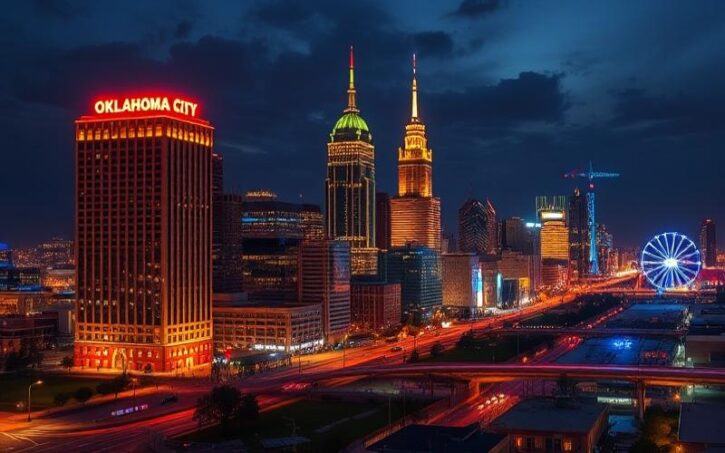
As the U.S. real estate market experiences significant fluctuations, Oklahoma stands out by presenting unique opportunities for investors and buyers in 2025. With its scenic landscapes and attractive cost of living, this Midwestern state is increasingly drawing new residents and investors seeking appealing returns. Emerging trends, such as the rise of green construction and efforts to revitalize urban areas, add a fascinating dynamic to the real estate landscape. Additionally, regional economic growth and incentive policies make Oklahoma a promising territory for those looking to venture into the real estate sector. Discover how these combined factors create an attractive investment environment and what this means for the future of this unique region.
Impact of Energy Industries on Oklahoma Cities
Historical Evolution of Energy Industries in Oklahoma
Oklahoma has long been a major player in the U.S. energy industry, particularly due to its oil and natural gas reserves. Since the early 20th century, cities like Tulsa and Oklahoma City experienced rapid growth thanks to oil discoveries. These industries shaped the state’s economy, attracting workers and driving urban development.Current Role in the Economy
Today, the energy sector remains an economic pillar, accounting for a significant share of jobs and tax revenue. However, diversification into renewable energy, especially wind power, is gradually changing the landscape. Local companies are investing in solar and wind projects, creating new opportunities.
Impact on the Real Estate Market
Energy industries directly influence real estate in Oklahoma. Oil-dependent cities like Midland or Woodward see their markets fluctuate with oil prices. Conversely, regions investing in renewables, such as Lawton, attract new residents and businesses, boosting real estate demand.Recent Energy Policies
Tax incentives for green energy have encouraged developers to build housing near wind and solar farms. This trend has driven up prices in some rural areas that were once less sought after. In Oklahoma City, mixed-use projects combining housing with modern energy infrastructure are redefining neighborhoods.
Examples of Urban Transformation
Tulsa, once dominated by oil, is reinventing itself as a tech and energy hub, attracting young professionals. Enedina, a small town near wind fields, has seen rapid population growth, with a boom in residential construction.Outlook Through 2025
By 2025, Oklahoma is expected to continue its energy transition, which will impact real estate. Economically diversified cities will better withstand fluctuations, while regions dependent on fossil fuels may experience slowdowns. Investors will need to monitor state policies and renewable projects to anticipate trends.
Good to Know:
Since the early 20th century, energy industries have played a central role in Oklahoma’s economy, particularly with oil and gas extraction, which remains an economic pillar. These industries continue to influence the real estate market, especially in Oklahoma City and Tulsa, where job creation in the energy sector drives urban development and real estate demand. Fluctuations in energy prices, however, cause economic variations that can affect the market. Recently, policies transitioning toward renewable energy are reshaping the landscape, injecting new investments and diversifying the real estate economy. For example, the growth of wind farms and solar projects is initiating a shift in certain regions, altering real estate prices and attracting sustainable housing initiatives. By 2025, the evolution of energy policies will likely lead to an adaptation of the real estate sector, with increased opportunities for developments integrating innovative energy solutions across the state.
Growing Demand for Properties with Tornado Shelters
Increase in Tornadoes in Oklahoma and Impact on Real Estate
In recent years, Oklahoma has recorded a significant rise in the number of tornadoes, with the annual average increasing from 56 to over 70 since 2020. Data from the National Weather Service shows that certain regions, like Moore and Norman, are particularly affected, experiencing repeated severe episodes.Shift in Buyer Preferences
Faced with this growing threat, homebuyers are now prioritizing properties equipped with tornado shelters. A recent survey shows that 78% of new residents consider this criterion decisive, compared to only 45% ten years ago.Evolution of Building Standards
Builders are adapting their projects by systematically integrating underground or reinforced shelters. New standards now recommend reinforced concrete structures capable of withstanding winds exceeding 250 km/h.Resident Testimonials
“After experiencing a tornado in 2022, I would never look at a house without a shelter,” says Sarah K., a Tulsa resident. Similarly, Mark R., a new buyer, explains, “That was the first thing I checked before signing.”Impact on the Real Estate Market
The growing demand for these features has led to a price increase of 15 to 20% for equipped properties, while homes without shelters struggle to sell. Available inventory is rapidly decreasing in high-risk areas.Response from Real Estate Companies
Agencies now highlight tornado shelters as a key selling point, and some even offer specific financing for their installation.Future Outlook
With the intensification of extreme weather events, experts predict a widespread adoption of tornado shelters, permanently transforming Oklahoma’s real estate landscape.Good to Know:
In Oklahoma, the rise in the number of tornadoes, with a 15% increase in recent years, is pushing more and more homebuyers to favor properties with tornado shelters. This trend, fueled by recent statistics showing the state averages 52 tornadoes per year, strongly influences the local real estate market. New building standards now integrate these shelters as an essential element, and real estate companies are increasingly including them in their offerings to meet growing demand. Testimonials from current residents and new buyers reveal that these shelters are often decisive in choosing a home. This demand has led to a 10% price increase for properties equipped with shelters, while making them scarcer on the state’s market, affecting both the accessibility and appeal of the most exposed areas.
Revitalization of Historic African American Neighborhoods in Tulsa
Historical Significance of Greenwood
Greenwood, nicknamed Black Wall Street, was a thriving African American neighborhood in the 1920s, symbolizing economic and cultural success despite segregation. The 1921 racial massacre destroyed much of the neighborhood, but its legacy remains a cornerstone of African American history and community resilience.Restoration and Preservation Efforts
Public and private initiatives have emerged to revitalize Greenwood, including the creation of museums, memorials, and educational programs. Local and national investors also support projects aimed at revitalizing the economy while honoring cultural heritage.Impacts on the Real Estate Market
Revitalization has led to an increase in property values, attracting new residents and businesses. Cultural tourism is growing, with visitors coming to explore the neighborhood’s unique history, boosting the local economy.Challenges and Risks of Gentrification
However, this growth raises concerns about excessive gentrification, potentially displacing historic residents. Strengthened community engagement is needed to ensure equitable development, preserving the neighborhood’s identity while fostering economic growth.Community Engagement for Inclusive Development
Ongoing dialogue between developers, local authorities, and residents is essential to balance modernization and preservation. Affordable housing programs and incentives for local businesses can help maintain social equity.Future Outlook
If revitalization efforts continue inclusively, Greenwood could once again become a model of economic and cultural success, while honoring its past. Challenges remain significant, but opportunities are promising.Tourist Appeal and National Recognition
Greenwood’s growing fame attracts national attention, reinforcing its status as an iconic location. This opens possibilities for additional partnerships and increased visibility, while requiring careful management of social and economic impacts.Good to Know:
The historic African American neighborhoods of Tulsa, particularly Greenwood, once known as “Black Wall Street,” are at the heart of a major revitalization project aimed at restoring their cultural heritage and boosting the local real estate market. Joint initiatives between the public sector and private investors are working to restore these areas by highlighting historic sites and promoting cultural events. While these efforts promise increased property values and greater tourist appeal, they raise the issue of gentrification, threatening to transform local identity unless inclusion measures are implemented. Ensuring active community involvement is essential to achieve balanced development aligned with residents’ needs and respectful of their rich heritage.
Appeal of Farmland for Investors
Growing Interest in Oklahoma Farmland
Farmland in Oklahoma is increasingly attracting investors in 2025, due to its high yield potential for crops like wheat, soybeans, and cotton. The region benefits from fertile soils and favorable climatic conditions, enhancing its appeal. Additionally, opportunities for agricultural diversification, including livestock or specialty crops, offer supplementary income.Tax Advantages and Local Incentives
Oklahoma offers favorable tax incentives for agricultural investors, such as property tax exemptions for cultivated land. These measures, combined with subsidies for adopting sustainable practices, make investment even more attractive. State policies also encourage agro-industrial projects, boosting demand.Price Trends Compared to Traditional Real Estate
Farmland prices in Oklahoma rose by 12% in 2024, outpacing the growth of residential and commercial real estate in the region. This increase is driven by the scarcity of quality land and heightened demand from institutional investors. Unlike volatile urban markets, farmland offers long-term stability.Demographic and Economic Trends
Oklahoma’s rural population is experiencing slight growth, supported by migrants seeking an affordable cost of living. Meanwhile, the state’s agricultural exports increased by 8% in 2024, strengthening investor confidence. These factors, combined with a resilient local economy, fuel demand for farmland.Impact of Technology and Sustainable Practices
The adoption of advanced agricultural technologies, such as smart irrigation and drones, improves land productivity. Investors are also drawn to sustainable practices, like regenerative agriculture, which increase property values while meeting international market expectations.Climate Outlook and Government Policies
Climate forecasts for Oklahoma indicate moderate drought risks, but advances in water management mitigate these challenges. Federal and state policies, such as subsidies for renewable energy, could further stimulate investment in farmland.Long-Term Outlook
In the long term, Oklahoma farmland is expected to remain a profitable and stable asset, driven by global food demand and agricultural innovation. Investors anticipate continued price appreciation, especially if public policies continue to support the sector.Good to Know:
In 2025, Oklahoma farmland is increasingly attracting investors due to its high yield potential, supported by fertile soils and a climate favorable to various crops such as wheat and soybeans. Investors also benefit from tax incentives implemented by the state to encourage sustainable agriculture and technological innovation on these lands. Unlike residential real estate, where prices are stagnating, farmland is experiencing persistent appreciation thanks to increased demand, driven by the region’s demographic and economic growth. The adoption of smart agricultural technologies and sustainable practices further enhances the appeal of these investments, promising increased profitability. In the long term, Oklahoma’s relative climate stability and consistent government policy support offer encouraging prospects for land investors, making farmland a viable diversification option amid uncertainties in other real estate sectors.
Disclaimer: The information provided on this website is for informational purposes only and does not constitute financial, legal, or professional advice. We encourage you to consult qualified experts before making any investment, real estate, or expatriation decisions. Although we strive to maintain up-to-date and accurate information, we do not guarantee the completeness, accuracy, or timeliness of the proposed content. As investment and expatriation involve risks, we disclaim any liability for potential losses or damages arising from the use of this site. Your use of this site confirms your acceptance of these terms and your understanding of the associated risks.

Cyril Jarnias is an independent expert in international wealth management with over 20 years of experience. As an expatriate himself, he is dedicated to helping individuals and business leaders build, protect, and pass on their wealth with complete peace of mind.
On his website, cyriljarnias.com, he shares his expertise on international real estate, offshore company formation, and expatriation.
Thanks to his expertise, he offers sound advice to optimize his clients' wealth management. Cyril Jarnias is also recognized for his appearances in many prestigious media outlets such as BFM Business, les Français de l’étranger, Le Figaro, Les Echos, and Mieux vivre votre argent, where he shares his knowledge and know-how in wealth management.





