
 Published on and written by Cyril Jarnias
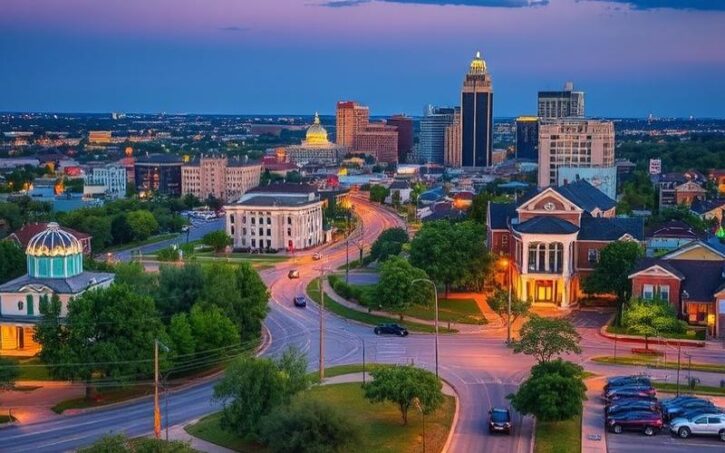
You can’t look into real estate around Austin without coming across the same name again and again: Investing in Real Estate in Pflugerville. This suburb northeast of the Texas capital currently checks most of the boxes investors are looking for: explosive population growth over the last twenty years, a market still more affordable than Austin, strong rental demand, booming employment, and a massive pipeline of new residential and commercial projects.
After a sharp price increase through 2022, the Pflugerville real estate market near Austin is experiencing a general slowdown. Days on market are lengthening and price reductions are multiplying in some segments, turning the market into an opportunity for savvy buyers rather than for rushed speculators.
This report provides a detailed overview, backed by figures, to understand where the market really stands, which strategies work best, which areas to prioritize – and how to structure a profitable investment, whether in long-term rentals, short-term rentals, or fix-and-flip.
Pflugerville, the Small Town Playing in the Big Leagues
Located about twelve miles northeast of downtown Austin, Pflugerville sits exactly in the most dynamic area of Texas: the famous Texas Triangle connecting Austin, Dallas-Fort Worth, and Houston. The metro area benefits from direct access to I-35, TX-45, and TX-130, three major corridors linking it to Austin’s tech corridor, Round Rock, and the region’s main employment centers.
The city’s population grew from about 28,000 in 2000 to over 65,000 according to the 2020 census.
This growth has been accompanied by a clear rise in socio-economic status. The median household income now exceeds $110,000, well above the national average, and over 40% of adults hold a college degree. The homeownership rate is around 71%, with largely family-oriented households (2.7 people per household on average), a median age of around 37, and a poverty rate below 6%. For an investor, this is the classic profile of a stable upper-middle-class city capable of supporting high rents and steady demand for quality housing.
A Housing Market in a Digestive Phase After the Euphoria
The price trend tells the same story: a market that was long a “good deal,” became very hot during the pandemic, and has been in a cooling-off phase for the past two years.
The compound annual growth rate of residential values in Pflugerville over twenty years, before a sharp acceleration in the 2020s.
The following year, the market pushed further, to over $499,000 on average. Then rates rose, demand softened, and the correction began. In 2023, average prices fell by about 10%, then another 4% to 6% in 2024 depending on whether you look at average or median prices. Early 2025 aggregated data shows median transactions around $397,000 to $405,000 depending on the source.
To illustrate this cycle, we can summarize two major phases:
| Period | Average Price (approx.) | Dominant Annual Change | Comment |
|---|---|---|---|
| 2000 → 2016 | $130,000 → $247,000 | +4–5% / year | Steady growth, affordable market |
| 2016 → 2022 | $247,000 → $499,000 | Acceleration, peaks at +39% | Post‑COVID boom, influx to Austin |
| 2023 → early 2025 | $499,000 → ~$418,000 | Double-digit cumulative decline | Rising rates, market rebalancing |
More recent indicators confirm this normalization phase. In some reports, the recent median sale price is around $360,000 to $415,000, down from last year, while the median price per square foot is between $186 and $197, also slightly declining. Homes are selling on average 2% to 3% below the asking price, after 60 to 80 days on market depending on the segment. The share of properties that undergo a price reduction exceeds 40%, with average adjustments of over $20,000.
In other words, we are far from the frenzy of 2021. Pflugerville remains a sought-after city, but the power has shifted back into the buyer’s hands, especially at higher price points.
Pflugerville Real Estate Market Analysis
A Market Still Attractive Within the Austin Region
Despite this correction, investing in real estate in Pflugerville remains interesting in the regional comparison. By most indicators, the city is still cheaper than Austin, while offering comparable quality of life and access to jobs.
The median home price in Austin exceeds $480,000, surpassing that of suburbs like Pflugerville.
We can summarize this regional hierarchy as follows:
| City / Area | Approximate Median Value | Relative Position to Pflugerville |
|---|---|---|
| Austin | ≈ $489,000 | More expensive |
| Cedar Park | ≈ $463,000 | More expensive or similar |
| Georgetown | ≈ $422,000 | Slightly more expensive |
| Round Rock | ≈ $405,000 | Close, sometimes a bit lower |
| Pflugerville | ≈ $400,000 – $450,000 | “Mid-plus” segment of north Austin market |
| Hutto | ≈ $339,000 | Cheaper, more peripheral |
| Manor | ≈ $319,000 | Cheaper, strong catch-up growth |
For an investor, this means Pflugerville positions itself as a compromise: more accessible than Austin and some already highly valued suburbs, but with a wealthier socio-economic profile and higher rents than the still “taking off” satellite markets.
A Balanced Market… Except Above $600,000
Absorption and inventory data help understand the market’s state by price bracket. As of early June 2025, there were about 445 active residential listings in Pflugerville, representing just over four months of supply, broadly corresponding to a neutral market. But the reality varies significantly by budget.
In the $300,000–$400,000 and $400,000–$500,000 ranges, absorption rates are robust (about 47% and 36%, respectively), indicating sales remain fluid in these mid-range family segments. In contrast, above $600,000, the market seizes up with absorption falling below 15% and over 12 months of inventory for the most expensive properties.
We can summarize the contrast by price range:
| Price Range | Estimated Absorption Rate | Approximate Months of Inventory | Investor Takeaway |
|---|---|---|---|
| $300,000 – $400,000 | ≈ 47% | 2 to 3 months | Most liquid segment |
| $400,000 – $500,000 | ≈ 36% | 3 to 4 months | Balanced market, good demand depth |
| $500,000 – $600,000 | ≈ 24% | 5 to 6 months | Slight slowdown |
| $600,000 – $700,000 | ≈ 14% | ≈ 12 months | Buyer’s market, strong negotiation |
| > $700,000 | < 10% | > 12 months | Very selective, ideal for opportunity hunting |
This argues for a cautious strategy in the high end: the buyer has leverage to negotiate, but resale may take longer. Conversely, products between $330,000 and $475,000, depending on the neighborhood, remain the backbone of the residential market.
Overview of Key Neighborhoods for Investment
Investing in real estate in Pflugerville isn’t just about picking a city on a map: each micro-market has its own signature in terms of price, tenant profile, HOA, taxes, and liquidity. Several developments clearly stand out.
Blackhawk and Falcon Pointe: Premium Master-Planned Communities
Blackhawk, the city’s first major master-planned project (launched in 1997), features spacious homes, often between 1,400 and over 4,100 square feet, on well-manicured lots, with golf, pools, trails, a fitness club, and more than 200 acres of parks. Prices typically range from the mid-$300,000s to $700,000, with frequent sales around $425,000 to $800,000 for the best-equipped properties. Property taxes are high (2.6% to 2.8%), HOA fees around $150 to $200 per quarter, but crime remains low and the upscale neighborhood image is well established.
Nearby, Falcon Pointe has a similar profile, spanning over 700 acres, with a price range centered around $450,000 to $650,000. The neighborhood emphasizes a highly structured lifestyle: multiple pools, 18-hole disc golf, dog parks, a zip line, a six-acre Residents’ Club, and a set of district schools integrated into a walkable “education village.” All within 20–25 minutes of Austin’s tech corridor.
For an investor, these neighborhoods offer: interesting profitability opportunities, long-term appreciation potential, and good accessibility to infrastructure and services.
Key characteristics of the rental housing stock in this area
Predominantly professionals and affluent families
Among the highest in the city, often above $2,200/month for a well-located 4-bedroom
Excellent long-term performance, requiring a substantial initial down payment
They are better suited to a buy-and-hold wealth-building strategy or high-end furnished rentals than to high-leverage structures like BRRRR.
Avalon, Sorento, Carmel: “Accessible” High-End Near Lake Pflugerville
Further east, around Lake Pflugerville, several newer neighborhoods are gaining momentum.
Avalon features homes built mostly from the late 1990s through the late 2000s, often with 3 to 5 bedrooms, resort-style pools, trails, sports courts, and a rentable clubhouse. Typical prices fall in the upper $300,000s to $400,000s, making this one of the best value-for-price neighborhoods for upscale family living.
Sorento, a newer community a mile from the lake, ranges from $450,000 to $700,000, with very modern architecture, stone and brick facades, high ceilings, moldings, and French doors. HOA fees remain moderate (around $400 to $600 per year) relative to amenities (club, pool, gym, kiddie pool, playgrounds, trails).
Carmel represents the growing high-end new construction segment. It consists primarily of contemporary homes with features like open floor plans, raised ceilings, large windows, and lots averaging about 3,100 square feet. Starting prices are often around $420,000 and can easily exceed $700,000 for the most spacious properties. The property tax rate is roughly 2.6–2.7%, and the crime rate is below the national average.
These three areas embody the modern residential suburb highly sought after by families working at Tesla, Dell, IBM, Amazon, or in downtown Austin, a 20–25 minute drive away. Rents are high, but clients expect pristine products with superior finishes.
Highland Park, Brookfield Estates, Windermere: Mid-Range Focused on Yield
To target a good balance between acquisition cost and cash flow, neighborhoods like Highland Park, Brookfield Estates, or Windermere deserve special attention.
Highland Park, two miles from Pflugerville’s center, consists of homes from the 2000s, with tree-lined streets and neighborhood parks. Prices are mostly between $330,000 and $475,000, with a listing median around $327,500 to $396,000 depending on the source. Median rents are around $2,000, providing a more attractive price-to-rent ratio than Falcon Pointe, for example.
Median listing price for homes in the Brookfield Estates neighborhood, ranging between $325,000 and $450,000.
Windermere, finally, represents an older stock (1980s) with single-family homes, townhomes, and duplexes. Median value around $320,000, price per square foot around $210, and median rents near $1,850 to $2,000. This type of mixed product can be relevant for a long-term rental “value-add” strategy (refresh, energy upgrades, adding smart home features).
A quick comparison between these micro-markets:
| Neighborhood | Median Home Price | Approx. Median Rent | Investment Profile |
|---|---|---|---|
| Highland Park | ≈ $396,000 | ≈ $2,100 | Families, good price/rent ratio |
| Brookfield Estates | ≈ $325,000 – $340,000 | ≈ $1,950 | Accessible yield, varied inventory |
| Windermere | ≈ $320,000 | ≈ $1,850–$2,000 | Older stock, value-add potential |
Villages of Hidden Lake, Sorento, Carmel: Lake Proximity and Leisure Potential
The eastern axis, around Lake Pflugerville, also appeals to investors considering mid-term or short-term furnished rentals. Villages of Hidden Lake is on the front line: a neighborhood of nearly 1,300 homes with European architectural influences and direct lake access for fishing, kayaking, and hiking. Recent sale prices range from about $350,000 to $600,000, with a median near $400,000 at the end of 2024. Average rents regularly exceed $2,000 per month.
Combined with neighboring Sorento and Carmel, this area offers:
– Strong leisure appeal (lake, trails, Typhoon Texas, metropolitan parks)
– Ample supply of recent family homes
– Good accessibility to Austin (about 20–25 minutes via TX-130)
For a professional mid-term furnished rental strategy targeting corporate travelers, families in transition, or remote workers, this lake triangle presents a very attractive profile, with properties large enough to justify above-average rents.
A Solid Rental Market, Even as Rents Level Off
Rental demand in Pflugerville is driven by several structural factors: a high proportion of working-age households, sustained population growth, proximity to Austin, rising homeownership costs, and an influx of employees from tech and logistics companies.
The median monthly rent in Pflugerville, a more affordable alternative than the Austin-Round Rock metro area.
Rent averages vary by source and time period, but the following ballpark figures are consistent:
| Unit Type | Indicative Average Rent | Recurring Observations |
|---|---|---|
| Studio | ≈ $900 – $1,100 | Limited supply, mostly in newer complexes |
| 1 Bedroom | ≈ $1,200 – $1,360 | Entry-level segment for young professionals |
| 2 Bedroom | ≈ $1,600 – $1,700 | Highly sought after, notable increase over 3 years |
| 3 Bedroom | ≈ $2,000 – $2,280 | Core family market |
| 4 Bedrooms + | ≈ $2,900 – $3,000 | Mostly suburban single-family homes |
Interesting for the investor: some time series show, over three years, a strong increase in 2-bedroom rents (over 20%), while rents for larger homes (3–4 bedrooms) have declined slightly, likely in reaction to the rent explosion during the boom. Over the most recent year, rents have generally stagnated or declined slightly (around –2% to –4% depending on the segment), again confirming a market in a digestive phase, but without collapse.
This stabilization occurs at a still high level, especially since Pflugerville remains more expensive to rent than neighboring towns like Hutto or Manor, but slightly less expensive than Austin itself. For a long-term rental investor, this translates into a solid rental market with prices higher than some surrounding cities, yet still more accessible than the main urban center.
– Reasonable gross yields if buying in the right price segments
– A robust demand base, even if the cycle slows
– A need for vigilance on purchase price and expenses (taxes, HOA, maintenance), since the ability for rents to continue rising rapidly appears limited in the short term
Local Taxation: An Advantage (No Income Tax) Offset by High Property Taxes
As everywhere in Texas, the absence of a state income tax – for individuals and businesses – is a significant advantage for investors, especially those with high incomes or planning to relocate. However, the trade-off comes in the form of property taxes.
The median effective property tax rate in Pflugerville exceeds 1.8% of property value.
In practice, when you add up the various levies (city, county, school district, emergency services, health, etc.), you often arrive at a total burden between 2.6% and 2.8% in the main planned residential neighborhoods. For a property valued around $400,000, the annual bill can approach or exceed $7,000, significantly more than the $2,400 paid by the median American homeowner.
For an investor, this reality requires: taking into account the risks associated with each investment opportunity.
To optimize the profitability of a rental investment, it is crucial to include property taxes as a major operating expense line. Acquisitions should be optimized by targeting areas where rents are high enough to absorb these costs. Finally, it is advisable to exploit all possibilities for contesting or reducing the tax base, for example by using specialized property tax protest firms.
Even though the city notes that the city council has been lowering the rate for several years, the level remains structurally high. This does not prevent the market from remaining attractive thanks to wages, rental demand, and the absence of income tax, but it does require very rigorous cash-flow analysis.
Short-Term Rentals: A Window of Opportunity Subject to HOA Restrictions
On paper, investing in real estate in Pflugerville to turn it into an Airbnb or VRBO is appealing: proximity to Austin and its events, lake and theme parks like Typhoon Texas, local festivals (Deutschen Pfest), sunny weather with more than 230 to 300 sunny days per year depending on the source, and no specific municipal short-term rental regulations.
Although the city does not have a specific ordinance for rentals under 30 days, many properties are subject to private homeowners’ association (HOA) rules. These rules may prohibit or limit short-term rentals, impose minimum lease durations, and parking restrictions.
Additionally, there are tax obligations: even without a municipal permit, a host must collect and remit the state hotel occupancy tax of 6% for any stay under 30 days, and, depending on the case, local taxes if applicable. Some platforms automatically collect a portion of these taxes, but the legal responsibility remains with the owner, who must register with the Texas Comptroller and file periodic returns.
Neighboring cities like Austin have implemented stringent regulations (licenses, quotas, restrictions) that could serve as a model if the market becomes strained. Conversely, some municipalities completely prohibit short-term rentals, while others still have no regulations at all.
In summary, short-term rentals in Pflugerville currently represent:
– A potentially higher income lever than standard rentals (up to three times according to some models)
– A less regulated landscape than Austin, but under the oversight of HOAs and the state tax framework
– An area where caution requires verifying every condominium or subdivision covenant before buying
To secure this type of strategy, it is best to work with a local attorney and potentially structure the operation through a dedicated LLC, with appropriate insurance.
Most Relevant Investment Strategies in Pflugerville
Local market specifics, combined with the Texas context, make certain strategies particularly well-suited.
Long-Term Residential Buy and Hold
This is the queen strategy in Pflugerville: acquiring a house or small residential building to rent out long-term, betting on:
– Positive or at least neutral cash flow in the short term
– Moderate but steady appreciation over the long term (projections suggest about 24% price growth over ten years)
– The quality of the tenant profile (high income, jobs in solid sectors, well-rated schools)
The micro-markets to prioritize for this strategy are those combining reasonable entry price and high enough rents: Brookfield Estates, Windermere, Highland Park, parts of Springbrook or Heatherwilde, some sectors of Villages of Hidden Lake. Very high-end neighborhoods like Falcon Pointe or the priciest parts of Carmel will suit wealth-building investors more than those seeking immediate cash flow.
BRRRR and Value-Add
The BRRRR (Buy, Rehab, Rent, Refinance, Repeat) method can find its place, but the context is not a large-scale “distressed” market. So you need to target carefully:
For a profitable real estate investment, target homes built between 1980 and 2000 that have undergone little modernization. Focus on areas where the price per square foot allows sufficient margin between total cost (acquisition + renovations) and the after-repair value (ARV). Concentrate on price segments where demand remains strong, particularly the $300,000 to $450,000 range after renovations.
The key is to achieve an ARV significantly higher than the total project + renovation cost, so that you can refinance at a higher value and free up capital for the next deal. Older neighborhoods with already amortized infrastructure but decent location are the natural source for this type of deal.
Fix and Flip
With a large inventory of properties above $600,000 and extended days on market in those brackets, high-end spectacular flips are riskier today. However, in the mid-range, opportunities remain, provided you:
To maximize profitability in a fix-and-flip project, it is crucial to target the most liquid price ranges, typically between $350,000 and $500,000 after renovations. Also closely monitor the ‘Days On Market’ indicator and price reduction trends in the targeted segment to adjust your strategy. Finally, success hinges on controlling renovation costs and using appropriate financing, such as hard money loans, to preserve profit margins.
Theoretical margins should be calculated cautiously, factoring in high property taxes if the property sits in inventory for several months, as well as closing costs (typically 2% to 5% of the price in Texas) and financing costs.
Short-Term or Mid-Term Furnished Rentals
As mentioned above, short-term can outperform traditional rentals, especially:
– Around Lake Pflugerville (Villages of Hidden Lake, Sorento, Carmel)
– Near major commercial hubs and expressways (Stone Hill Town Center, Tech Ridge, direct access to TX-130/TX-45)
– In homes with 3 to 4 bedrooms, a yard, and access to community amenities
But this strategy is more sensitive to regulatory changes, HOA decisions, and fluctuations in tourism or business demand. An alternative approach is to target 1- to 6-month furnished rentals for employees on assignment, families waiting for a new home to be built, or graduate students, which often combines higher rents than standard unfurnished with greater stability than ultra-short-term.
Commercial and Logistics Investment
Pflugerville’s dynamism is not limited to residential. Data on projects tracked by the Texas regulator shows nearly 1,000 operations in the main zip code (78660), with a total volume exceeding $3.6 billion, including over 570 new constructions and over 400 renovations, across nearly 50 million square feet.
The rise of areas like Stone Hill Town Center – the second highest-performing shopping center within a 50-mile radius of Austin – and the establishment of a major Amazon distribution center illustrate the growing strength of the service and logistics sectors. Add to that mixed-use projects like the Pecan District, which combines housing, offices, and retail.
More experienced investors can therefore look into:
– Ground-floor commercial spaces in high-traffic areas (retail, restaurants)
– Warehouses or light industrial spaces slightly removed from Austin but very well connected via TX-130 and I-35
– Land for future developments in growth corridors identified by the city and the Pflugerville Community Development Corporation (PCDC)
Here, the game is more about a detailed understanding of urban planning, incentives (tax abatements, Chapter 380/381, opportunity zones, Foreign Trade Zone 183), and the ability to carry more capital-intensive assets.
Financing: Varied Options, But Stricter Requirements for Investment
For an investor, financing a rental property in Pflugerville falls under the classic range of Texas investment property loans.
Banks and lenders generally require:
– 20% to 25% minimum down payment on a non-owner-occupied residential property
– A credit score of at least 620
– A debt-to-income ratio below 43%
Rates are generally higher than for a primary residence, with terms from 10 to 30 years and sometimes adjustable rates. Flexible solutions exist, such as “portfolio” loans from local banks or Non-QM products (non-conforming to Fannie Mae/Freddie Mac standards). These include Debt Service Coverage Ratio (DSCR) loans, bank statement loans for self-employed individuals, and “fix-and-flip” financing with a loan-to-cost ratio up to 90%.
For more sophisticated structures, specialized lenders like Defy Mortgage or Texas regional banks offer programs tailored to multi-property investors, including:
– DSCR loans based on the property’s cash flow rather than personal income
– Interest-only loans for a few years, allowing maximization of initial cash flow
– New construction financing (construction-to-permanent) to take advantage of strong demand for new homes
A frequently discussed strategy is to convert your current primary residence into a rental, then buy a new primary residence in the Austin area with a lower down payment (3.5% to 5% via FHA or conventional loan) and lower rates than for pure investment, indirectly financing a first investment property under good conditions.
Property Management: Outsource or Not in a Growing City
With a stock of several hundred rental properties, a growing supply of new apartments, and strong rental demand, Pflugerville has seen a whole ecosystem of property management companies emerge. Some are local and long-established; others are regional or national players.
Their services generally cover:
– Marketing, showings, and tenant screening
– Lease preparation and administration
– Rent collection, follow-up, handling delinquencies
– Coordination of maintenance and repairs
– Claims management, possibly eviction proceedings
– Financial reporting to owners
Management fees typically range from 5% to 10% of collected rents, depending on portfolio size and included services. Leasing fees, equivalent to a fraction of the first month’s rent, may be added. Some managers offer advantages like no fees during vacancy periods and guarantees (replacement tenant if early departure, coverage of eviction costs, etc.).
For a remote or multi-property investor, delegating management to experienced professionals in Pflugerville or Austin allows:
– Securing tenant selection in a very competitive market
– Quickly adapting to local legal or tax changes
– Optimizing occupancy rates and operational portfolio performance
Management fees must be included in profitability calculations, alongside property taxes, insurance (especially landlord liability, short-term rental coverage if needed), and any HOA fees.
Outlook: A More Reasonable Market, Supported by Solid Fundamentals
Pflugerville’s recent evolution fits a broader trend observed across the entire Austin market: after years of historic increases, rising rates have cooled demand, inventory has rebuilt, and we are moving toward a buyer’s market, sometimes described as “balanced” or “buyer-friendly” by analysts.
Nevertheless, local fundamentals remain very favorable over the medium and long term:
An overview of the main demographic, economic, and infrastructure strengths making this area a strategic location for development.
Projected population base exceeding 120,000 in the medium term, indicating sustained growth.
High median income, low poverty rate, and a highly skilled workforce well-connected to Austin’s job market.
Served by major highways, close to an international airport, and benefiting from strong logistical interconnections (freight, intermodal).
Strong offerings from K-12 through university, including PfISD, ACC, and proximity to the University of Texas.
Growing presence of jobs in promising sectors: technology, logistics, advanced manufacturing, and healthcare.
Ten-year price projections suggest moderate but positive appreciation (on the order of 3% to 4% per year on average in some models) following the current consolidation phase. This fits the profile of a suburb reaching maturity: less rapid speculative gains, more stable returns and relative safety.
Investing in real estate in Pflugerville today therefore means:
– Accepting a market that is less flashy, but healthier
– Enjoying significantly enhanced bargaining power, especially in the high end and for properties that have been on the market a long time
– Building a long-term strategy centered on reasonable cash flow, quality tenants, and value resilience
By targeting the right neighborhoods, mastering Texas tax specifics, staying vigilant about potential short-term rental regulations, and surrounding yourself with competent local professionals, Pflugerville stands out as one of the most coherent playing fields for building a real estate portfolio in the orbit of Austin.
Disclaimer: The information provided on this website is for informational purposes only and does not constitute financial, legal, or professional advice. We encourage you to consult qualified experts before making any investment, real estate, or expatriation decisions. Although we strive to maintain up-to-date and accurate information, we do not guarantee the completeness, accuracy, or timeliness of the proposed content. As investment and expatriation involve risks, we disclaim any liability for potential losses or damages arising from the use of this site. Your use of this site confirms your acceptance of these terms and your understanding of the associated risks.

Cyril Jarnias is an independent expert in international wealth management with over 20 years of experience. As an expatriate himself, he is dedicated to helping individuals and business leaders build, protect, and pass on their wealth with complete peace of mind.
On his website, cyriljarnias.com, he shares his expertise on international real estate, offshore company formation, and expatriation.
Thanks to his expertise, he offers sound advice to optimize his clients' wealth management. Cyril Jarnias is also recognized for his appearances in many prestigious media outlets such as BFM Business, les Français de l’étranger, Le Figaro, Les Echos, and Mieux vivre votre argent, where he shares his knowledge and know-how in wealth management.





