
 Published on and written by Cyril Jarnias
In 2025, the real estate market in South Dakota is undergoing significant transformations, shaped by unique economic and demographic trends. With sustained growth in the technology and energy sectors, the state is attracting a massive influx of new residents seeking affordable housing and high living standards. Investors are increasingly turning to sustainable and innovative projects that meet modern buyers’ expectations for energy efficiency and environmental friendliness. Meanwhile, cities like Sioux Falls and Rapid City are seeing their popularity rise, revitalizing downtown areas and boosting demand for commercial and residential properties. As South Dakota becomes a fertile ground for real estate opportunities, this article explores the key factors and outlook shaping this promising future.
Sioux Falls: A Booming Regional Financial Hub
The Rise of Sioux Falls as a Financial Hub
Sioux Falls has established itself as a regional financial hub thanks to favorable regulations, low operational costs, and a skilled workforce. Companies like Wells Fargo, Citibank, and First Premier Bank have set up operational centers there, attracting thousands of jobs. This growth has boosted the local economy, with regional GDP rising 4.2% in 2023.Impact on the Real Estate Market
Demand for housing and commercial space has exploded, driving real estate prices up 12% since 2021. Industry professionals note a shortage of affordable housing, pushing developers to launch new residential projects. Commercial rents rose 8% in 2023, reflecting strong demand for modern office space.Recent Trends and Projects
Over 1,500 new residential units are under construction, including high-end complexes near downtown. Investors are betting on mixed-use buildings (housing/offices) to meet the needs of financial sector employees. A local developer notes: “Projects are multiplying, but demand still outstrips supply.”Outlook for 2025
Experts predict continued price increases of 5-7% per year, with the rental market remaining tight. The city is focusing on improved infrastructure to support this growth, such as expanding public transit. Sioux Falls remains an attractive market, but affordability challenges could intensify if construction doesn’t keep pace.Good to Know:
Sioux Falls quickly established itself as a regional financial hub, partly due to South Dakota’s favorable tax policy, attracting banking giants and other financial sector companies. This growth dynamic has led to a significant increase in demand for housing and commercial space, resulting in a construction boom with a 12% real estate price increase in 2023. Recent projects include the development of modern apartment complexes and high-tech offices, offering new opportunities for investors and real estate professionals. According to local experts, Sioux Falls could see these trends continue through 2025, boosting the regional economy and strengthening its reputation as a strategic location for business expansion, far beyond competition from neighboring cities.
The Growing Appeal of the Badlands for Eco-Tourism Residences
Unique Features of the Badlands
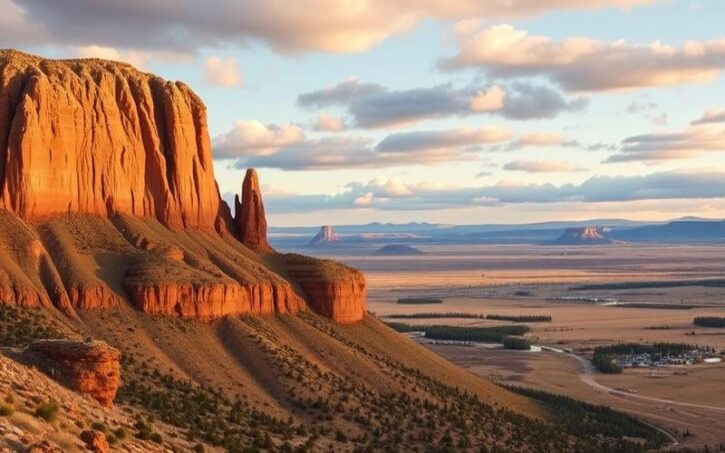
The Badlands offer spectacular landscapes with their eroded rock formations, canyons, and wild prairies. These fragile ecosystems harbor rare biodiversity, attracting nature lovers and photographers. Their relative isolation and preserved night skies make them an ideal location for eco-tourism.Recent Trends in Eco-Tourism Real Estate
In recent years, demand for eco-tourism residences has increased, combining luxury and sustainability. Investors favor low-impact construction, such as solar cabins or lodges made from recycled materials. Tourists seek authentic experiences while minimizing their ecological footprint.Economic Benefits for South Dakota
Eco-tourism development boosts the local economy by creating seasonal and permanent jobs, particularly in hospitality and dining. Tourism revenues increase, supporting small businesses and public services. Additionally, these projects attract an international clientele, diversifying income sources.Green Initiatives to Preserve the Environment
Developers incorporate sustainable practices like waste reduction, use of renewable energy, and protection of natural habitats. Partnerships with national parks ensure developments meet environmental standards, preserving the Badlands’ beauty for future generations.Good to Know:
South Dakota’s Badlands, with their unique landscape of spectacular rock formations and vast open spaces, are increasingly attracting investors and tourists looking to develop eco-tourism residences. The recent trend translates into a surge of interest in eco-friendly accommodations harmoniously integrated into the environment, while supporting the protection of local ecosystems. These developments offer significant economic benefits for the region, including job creation in hospitality and services, as well as increased local revenue from visitor influx. Among the initiatives, several projects highlight sustainable practices such as using biodegradable construction materials and implementing efficient water management systems. Through these efforts, the Badlands are becoming an envied model for other regions aspiring to balance economic progress with environmental respect.
Real Estate Market Stability Through Agriculture
The Agrifood Economy as a Pillar of Real Estate Stability
South Dakota’s agrifood economy plays a decisive role in stabilizing the real estate market in 2025. With nearly $30 billion in annual agricultural production, the sector attracts a growing workforce, supporting housing demand in rural and peri-urban areas.Farmland, covering over 43 million acres, limits urban sprawl while keeping real estate prices competitive. Agricultural workers and families settle in communities like Sioux Falls or Rapid City, where the balance between residential development and preservation of fertile land is carefully managed.
Local Policies for Sustainable Balance
The state has implemented tax incentives for farmers who preserve their land, while strictly regulating conversions to commercial zones. These measures prevent speculative bubbles and ensure measured real estate growth.Agricultural innovations, such as precision farming and renewable energy, strengthen the sector’s sustainability. These advances attract investors and residents seeking a stable living environment, benefiting local markets.
Future Outlook
With rising global food demand, South Dakota remains a key player. Its balanced development model could serve as a reference for other states, further consolidating the resilience of its real estate market.Good to Know:
In 2025, the agrifood economy plays a crucial role in stabilizing South Dakota’s real estate market, where farmland covers 89% of the territory. By attracting workers through a 15% increase in corn and soybean production last year, this industry supports local real estate demand. The state focuses on a policy promoting a balance between farmland and residential development, with incentive programs to preserve mixed land uses. Additionally, innovations such as precision farming increase productivity while reducing environmental impact, promising to strengthen long-term stability prospects for real estate.
Challenges of Geographic Isolation for Real Estate Services
Impact of Geographic Remoteness on Accessibility
Geographic isolation in South Dakota complicates access to real estate services, particularly for clients and agents. Significant distances between cities and rural areas make travel long and costly, limiting opportunities for viewings and transactions.Low Population Density and Property Diversity
The low population density reduces the number of properties available on the market, while the vast territory disperses supply. Buyers have fewer choices, and sellers struggle to find buyers for properties in remote areas.Logistical Challenges for Marketing and Viewings
Real estate promotion efforts are costly and inefficient due to distances. Physical viewings are difficult to organize, reinforcing the importance of digital tools like virtual tours and online platforms to overcome these obstacles.Consequences on Prices and Property Values
Isolated properties see their value affected by additional costs (transport, access to services). Buyers hesitate to invest in areas with limited infrastructure, which can lead to price stagnation.Innovative Strategies to Overcome Isolation
Remote work for agents and the use of augmented reality help reduce geographic constraints. Studies show these technologies improve client engagement and speed up sales, even in the most remote regions.Case Studies and Recent Data
Local examples illustrate how some agencies have successfully adapted their model through digital tools, while recent data confirm a rise in online transactions in rural areas.Future Outlook
Integrating technological solutions and developing decentralized professional networks could transform the sector, sustainably mitigating the effects of geographic isolation.Good to Know:
In South Dakota, geographic isolation poses a major challenge for real estate services, affecting accessibility for both agents and clients due to long travel distances and limited infrastructure. The low population density and vast territory limit the diversity and availability of real estate properties, complicating the satisfaction of certain specific demands. Digital tools, such as augmented reality, prove crucial for overcoming logistical obstacles related to property viewings and marketing efforts, helping to bridge the distance barrier. Property prices in remote areas account for additional transport costs and restricted access to public services, which can deter potential buyers. To mitigate these challenges, innovative strategies like remote work for industry professionals and virtual tours are becoming essential, illustrated by successful initiatives in other rural U.S. regions that capitalize on growing digital connectivity.
Disclaimer: The information provided on this website is for informational purposes only and does not constitute financial, legal, or professional advice. We encourage you to consult qualified experts before making any investment, real estate, or expatriation decisions. Although we strive to maintain up-to-date and accurate information, we do not guarantee the completeness, accuracy, or timeliness of the proposed content. As investment and expatriation involve risks, we disclaim any liability for potential losses or damages arising from the use of this site. Your use of this site confirms your acceptance of these terms and your understanding of the associated risks.

Cyril Jarnias is an independent expert in international wealth management with over 20 years of experience. As an expatriate himself, he is dedicated to helping individuals and business leaders build, protect, and pass on their wealth with complete peace of mind.
On his website, cyriljarnias.com, he shares his expertise on international real estate, offshore company formation, and expatriation.
Thanks to his expertise, he offers sound advice to optimize his clients' wealth management. Cyril Jarnias is also recognized for his appearances in many prestigious media outlets such as BFM Business, les Français de l’étranger, Le Figaro, Les Echos, and Mieux vivre votre argent, where he shares his knowledge and know-how in wealth management.





