
 Published on and written by Cyril Jarnias
In 2025, Rhode Island’s real estate market is undergoing a dynamic transformation, marked by emerging trends that will shape the future of this captivating market. As the state continues to attract new residents, notably thanks to its stunning coastal landscapes and high-quality education system, real estate professionals are focusing on eco-friendly practices and more sustainable construction. The digitization of real estate services and the rise of smart home technology are also transforming how buyers and sellers interact in the market. These elements, combined with sustained population growth and increased demand for affordable housing, define the contours of a real estate market where innovation and sustainability are at the heart of concerns for the years to come.
Real Estate Pressure on Rhode Island’s Coastal Areas
Growing Demand for Waterfront Properties
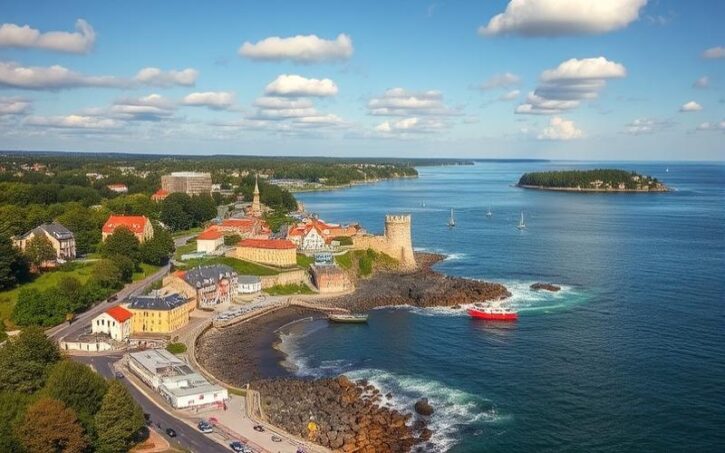
Real estate pressure on Rhode Island’s coastal areas in 2025 is largely fueled by a growing demand for waterfront properties. Buyers, drawn by the landscapes and coastal lifestyle, are willing to pay high prices, which intensifies competition and limits market access for local residents.Demographic Trends and Land Scarcity
Demographic trends, such as an influx of retirees and remote workers, amplify this demand. At the same time, the scarcity of available land for new construction limits supply, creating an imbalance that drives prices upward.Local Policies and Regulations
Local and state policies, particularly strict land-use regulations, play a key role. While these rules aim to protect the environment, they also restrict development, exacerbating real estate pressure. Sustainable development initiatives attempt to balance growth and preservation, but their impact remains limited.Climate Change and Sea Level Rise
Climate change and sea level rise influence the desirability of coastal properties. Some buyers are turning away from at-risk areas, while others bet on short-term investments, creating market volatility.Future Outlook
In the future, real estate pressure could stabilize if policies become more flexible or if innovative solutions emerge. However, climate challenges and land scarcity will continue to weigh on the evolution of the coastal market.Good to know:
Real estate pressure on Rhode Island’s coastal areas in 2025 is fueled by growing demand for waterfront properties, driven by a baby boomer population seeking second homes and young families attracted to the lifestyle. The scarcity of buildable land exacerbates this situation, with beaches limited for development due to strict land-use regulations and sustainable development initiatives. While climate change and sea level rise concern potential buyers, the desirability of coastal homes remains high, prompting price increases despite the risks. State policies attempt to moderate this pressure through risk zone management strategies, but the climate realities of 2025 imply a need for continuous adaptation. The outlook shows potential price increases and heightened challenges for the market, where ingenuity will be key to balancing growth and environmental preservation.
Challenges of Renovating Colonial Homes in Rhode Island
Architectural and Structural Challenges
Colonial homes in Rhode Island present unique challenges, such as fragile foundations, aging wooden frames, and wattle-and-daub walls. Strict historic preservation regulations require maintaining original features, like small-pane windows or brick fireplaces, which limits modernization options.Historic Preservation Constraints
Homeowners must obtain special permits for any exterior modifications, which extends timelines and increases costs. The use of authentic materials, such as solid wood or natural lime, is often mandatory but difficult to source.Financial Issues
Renovation costs can exceed those of new construction due to specialized work. Fortunately, state grants and tax credits, such as the Rhode Island Historic Preservation Tax Credit, help offset these expenses.Climate Impacts
Rhode Island’s humidity and coastal storms accelerate the deterioration of old structures. Renovations must incorporate waterproof and weather-resistant solutions without altering the historic appearance.Sustainable Materials and Technologies
Professionals now favor eco-friendly insulation (rock wool, cellulose) and high-efficiency heating systems. Discreet solar panels and historically compatible double-glazed windows are gaining popularity.Professional Testimonials
A local architect emphasizes: “Working on these homes requires a balance between modernity and respect for the past. Every detail matters, especially under the scrutiny of historic commissions.”Homeowner Experiences
One homeowner shares: “The renovation cost 30% more than expected, but the grants and preserved charm were worth it. The hardest part? Finding skilled craftsmen for period woodwork.”Good to know:
When renovating colonial homes in Rhode Island, architectural and structural challenges include the need to comply with historic preservation constraints and strict regulations to maintain the authenticity of these iconic buildings. Homeowners often face high restoration costs, though grants and tax incentives are available to ease this financial burden. Rhode Island’s climate conditions, such as humidity and coastal storms, can further complicate renovations. However, the use of sustainable materials and modern technologies, such as eco-friendly insulation and water management systems, can offer effective solutions for preserving these historic homes. Renovation professionals emphasize the importance of hiring experts familiar with the specifics of colonial construction to successfully complete projects that blend tradition and sustainability, while homeowners attest to the long-term benefits and unique charm preserved through such interventions.
The Impact of Summer Tourism on Rhode Island’s Rental Market
Seasonal Fluctuations in Rental Prices
Rental prices in Rhode Island experience significant variations between summer and the rest of the year. During peak season, rents can increase by 30 to 50%, especially in coastal areas like Newport or Narragansett. This rise reflects increased demand from tourists and seasonal workers, while winter months see prices drop due to excess supply.Summer Rental Demand and Capacity
Summer demand often exceeds the capacity of the traditional rental market, pushing residents toward alternative solutions. Short-term rentals, like Airbnb, partially fill this gap but also exacerbate pressure on housing available for year-round tenants.Testimonials from Real Estate Agents and Tenants
According to a real estate agent in Providence, “summer transforms the market”, with properties rented within hours. Permanent tenants lament the difficulty of finding affordable housing, while landlords see it as an opportunity to maximize income.Landlord Strategies During Peak Season
Many landlords opt for seasonal rentals through online platforms, often more lucrative than traditional leases. Some offer flexible contracts, reserving their properties for tourists in summer and long-term tenants in winter.Regulation by Local Authorities
Faced with these imbalances, some municipalities have implemented restrictions on short-term rentals, such as quotas or additional taxes. These measures aim to preserve the residential rental stock, but their impact on the tourism economy remains uncertain.Good to know:
In Rhode Island, summer tourism has a considerable impact on the rental market, causing a significant increase in rents during the summer months, sometimes up to 30% more compared to the rest of the year. This period attracts high demand that often exceeds capacity, prompting landlords to maximize profits through short-term rental platforms like Airbnb. According to real estate agents, these seasonal fluctuations create challenges for local tenants seeking affordable housing, while landlords see an opportunity for higher returns. To counter market imbalances, Rhode Island’s local authorities have implemented regulations to oversee seasonal rentals, such as imposing limits on the number of rental nights, which could stabilize prices in the long term by evening out the distribution of rental demand.
Affordable Housing Projects for Local Workers in Rhode Island
Recent Government Initiatives
The Rhode Island government has launched several initiatives to support affordable housing, including the Housing Production Fund, endowed with $65 million, aimed at financing residential projects for local workers. Grants and tax credits have also been expanded to encourage developers to include moderately priced units.Collaborations Between Agencies and Developers
Partnerships between agencies like Rhode Island Housing and private developers have enabled the construction of thousands of accessible homes. For example, the Hope Point Tower project in Providence includes 25% affordable units, thanks to tax incentives and low-interest loans.Implementation Challenges
Key obstacles include rising material costs, scarcity of available land, and strict local regulations. These constraints often slow construction timelines and increase budgets, limiting the number of feasible projects.Impact on Local Workers
These initiatives improve quality of life by reducing housing expenses, freeing up income for other needs. They also stimulate the local economy by creating construction jobs and stabilizing communities.Supply and Demand for Affordable Housing
Rhode Island has approximately 20,000 applications pending for affordable housing, while only 1,500 new units are built each year. This gap underscores the urgency of accelerating projects.Testimonials and Case Studies
A nurse from Providence reported reducing her rent by 40% through an affordable housing program, allowing her to save for a home purchase. Studies also show these projects reduce eviction rates.Future Outlook
By 2025, the state plans to invest an additional $100 million to build 5,000 affordable homes. Regulatory reforms are also being considered to streamline approval processes and attract more investors.Good to know:
In response to the growing demand for affordable housing for local workers in Rhode Island, the government has recently launched several initiatives like the “Homes Rhode Island” program, aimed at increasing housing accessibility through collaborations with real estate developers and local agencies. However, the implementation of these projects faces challenges, including high material costs, limited land availability, and restrictive local regulations. These initiatives have begun to improve the quality of life for local workers by offering financially accessible housing, contributing to regional economic development. Despite these efforts, the gap between supply and demand persists, with statistics indicating a significant shortage of available affordable housing relative to current needs. Testimonials from local workers illustrate the positive impact of these homes, highlighting the importance of continuing and expanding these projects. Looking ahead to 2025, future policies focus on continued expansion while adapting to changes in the real estate sector to better meet affordable housing goals.
Disclaimer: The information provided on this website is for informational purposes only and does not constitute financial, legal, or professional advice. We encourage you to consult qualified experts before making any investment, real estate, or expatriation decisions. Although we strive to maintain up-to-date and accurate information, we do not guarantee the completeness, accuracy, or timeliness of the proposed content. As investment and expatriation involve risks, we disclaim any liability for potential losses or damages arising from the use of this site. Your use of this site confirms your acceptance of these terms and your understanding of the associated risks.

Cyril Jarnias is an independent expert in international wealth management with over 20 years of experience. As an expatriate himself, he is dedicated to helping individuals and business leaders build, protect, and pass on their wealth with complete peace of mind.
On his website, cyriljarnias.com, he shares his expertise on international real estate, offshore company formation, and expatriation.
Thanks to his expertise, he offers sound advice to optimize his clients' wealth management. Cyril Jarnias is also recognized for his appearances in many prestigious media outlets such as BFM Business, les Français de l’étranger, Le Figaro, Les Echos, and Mieux vivre votre argent, where he shares his knowledge and know-how in wealth management.





