
 Published on and written by Cyril Jarnias
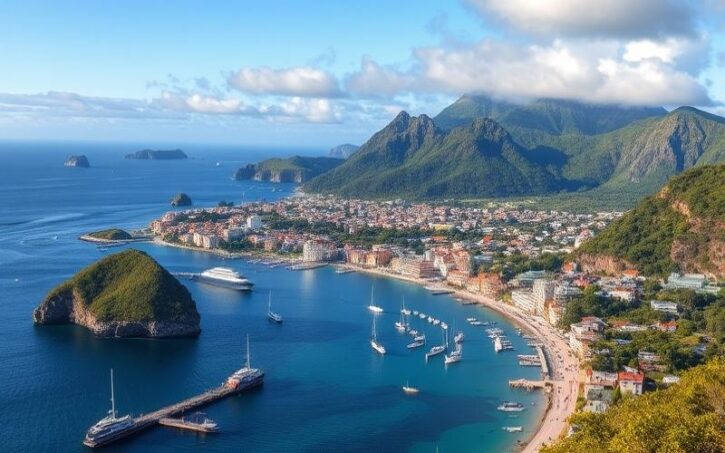
Moving to the Solomon Islands is a dream: turquoise lagoons, WWII wrecks, spectacular diving, and a tranquil pace of life. But behind this postcard image lies a complex healthcare reality. For an expat, ignoring how the local health system works or underestimating the medical risks can quickly turn into a financial and human catastrophe.
This article provides a practical and realistic guide to the local healthcare system, covering the organization of care, infrastructure quality, infectious risks, medication availability, mandatory health insurance, medical evacuation procedures, mental health, and advice for preparing for expatriation with full awareness.
Understanding the Healthcare Context of the Solomon Islands
The Solomon Islands are an independent state of over 900 tropical islands in the Pacific, with a dispersed population of several hundred thousand people. The country is classified as a lower-middle-income nation, with a medium level of human development and a relatively low GDP per capita.
This fragmented geography and limited resources profoundly shape the healthcare provision. The health system is overseen by the Ministry of Health and Medical Services (MHMS) and is based on a theoretically sound architecture, but severely strained by practical constraints.
A Three-Tier Healthcare System… On Paper
The health system is officially organized into three tiers:
| Level of Care | Main Locations | Role and Typical Services |
|---|---|---|
| Primary Care | Rural health clinics, community health centres, nurse aide posts | Basic general medicine, maternal and child health monitoring, vaccinations, prevention |
| Secondary Care | Provincial hospitals, area health centres | Basic surgery, hospitalization, simple imaging, maternity care |
| Tertiary Care | National Referral Hospital (NRH) in Honiara | Complex cases, specialties, more advanced surgery, national referral center |
In theory, this structure provides reasonable coverage for the population. In practice, resources are critically lacking: dilapidated buildings, equipment shortages, medicine stock-outs, absence of certain specialists, and major access difficulties from remote islands.
A Very Uneven Network of Facilities
The cornerstone of the system is the National Referral Hospital in Honiara, the main public hospital, reference center, and largest facility in the country. It has several hundred beds, houses the majority of doctors, and offers a variety of services (internal medicine, surgery, maternity, pediatrics, orthopedics, TB, ophthalmology, ENT, emergency, laboratory, pharmacy, basic imaging, operating theater).
Around the national health center, the Solomon Islands have a network of provincial hospitals, including Gizo Hospital (Western Province), Kilu’ufi Hospital (Malaita), as well as those in Auki, Lata, Buala, Kira Kira, and Atoifi Adventist Hospital. These facilities provide basic health services, but their capacity to handle complex medical cases remains limited.
For expats, it is important to understand that the perceived quality of care drops sharply as soon as you move away from Honiara. Many districts lack a hospital; some facilities have no doctor, only nursing staff. Several centers lack reliable running water, stable electricity, or functional equipment.
Human Resources Under Severe Pressure
The country suffers from a triple human resource crisis: insufficient number of qualified professionals, very unequal geographical distribution, and brain drain overseas or to the private sector.
This number represents the key indicators that help to understand and analyze the presented situation.
| Indicator (2021) | Solomon Islands | Regional Comparison |
|---|---|---|
| Doctors / 10,000 pop. | 2.4 | Fiji: 8.6 – Tonga: 9.46 – Samoa: 6.0 |
| Nurses & Midwives / 10,000 pop. | 17.8 | Fiji: 39.6 – Tonga: 45.4 – Kiribati: 38.2 |
| Doctors (historical estimate) | ≈ 0.21 / 1,000 pop. | Well below many Pacific countries |
Over half of the workforce is concentrated in Honiara and the National Referral Hospital, leaving provinces and rural areas understaffed. Postings in peripheral areas are difficult to fill, partly due to a lack of suitable housing for staff and their families. Many experienced professionals leave the system for higher salaries abroad or in private companies (e.g., in mining).
The consequence for an expat is simple: even if the healthcare architecture seems structured, the probability of quickly finding a competent doctor on a remote island is low. In practice, nurses and nurse aides provide most of the frontline care.
Chronically Insufficient Equipment and Medications
A key point for any expat: even reference facilities regularly run short of products and equipment. Reports indicate:
The healthcare system faces frequent blood shortages and recurrent unavailability of basic medications (paracetamol, rehydration salts, antibiotics). It is also characterized by the complete absence of a CT scanner in the country and by aging, poorly maintained, or even non-functional surgical or imaging equipment.
A multi-country study published in Lancet Regional Health – Western Pacific in 2024 shows that lower-middle-income countries in the region, including the Solomon Islands, have the lowest average availability of essential medicines, around 59% in the public sector and 57% in the private sector for lowest-price generics. In other words, you cannot consistently rely on the local pharmacy for chronic treatment or a specific product.
Another study on wastage of essential medicines highlighted expired stocks (ORS, vitamin A, albendazole) and poor stock management in several facilities. For an expat, this means a medication listed as available may in reality be unusable or simply absent.
Specific Health Risks in the Solomon Islands
Beyond the structural limits of the system, the local epidemiological situation must be taken very seriously. The World Health Organization considers that communicable diseases account for over half of the years of life lost in the country. The Solomon Islands face a combination of tropical infectious diseases, rising chronic conditions, and vulnerability to climate change.
Infectious Diseases and Tropical Pathologies
The major risks for an expat are clearly identified:
– Malaria: Endemic throughout practically the entire territory, with chloroquine-resistant parasites
– Dengue, Zika, Chikungunya: Transmission by Aedes mosquitoes, very active in the tropical climate
– Viral hepatitis: Frequent
– Tuberculosis: Significant incidence, with cases requiring long treatments
– Digestive infections: Diarrhea, gastroenteritis, rotavirus, intestinal parasites
In tropical environments where water and sanitation systems can be precarious, strict precautions are necessary to avoid contamination. Consider tap water as non-potable: boil or purify it before any consumption, including for brushing your teeth. Regarding food, as milk is not systematically pasteurized, it should be boiled. Peeling fruits, cooking vegetables, and thoroughly cooking meat and fish are also essential measures for safe consumption.
For an expat, this requires daily vigilance and strict discipline in food hygiene.
Chronic Diseases and the “Double Burden”
As in many countries in transition, the Solomon Islands face a marked rise in non-communicable diseases: diabetes, hypertension, cardiovascular diseases, cancers, liver and respiratory pathologies. The health system must therefore manage both historical infectious diseases and this wave of chronic conditions.
Screening and treatment programs, particularly for hypertension, are often insufficient. For an expat already managing a condition like diabetes, hypertension, or heart disease, it is crucial to plan ahead: establish a care plan with a doctor in a country with good medical infrastructure (e.g., Australia, New Zealand) and verify that your health insurance covers specialized follow-up and potential medical evacuations.
Environmental Risks and Natural Disasters
The Solomon Islands are located on the Pacific Ring of Fire and are exposed to: earthquakes and volcanic eruptions.
– Earthquakes and tsunamis
– Tropical cyclones
– Torrential rains, floods, landslides
Each event can damage health infrastructure, disrupt medication supply, make roads impassable, and overwhelm hospitals. For an expat living on a small island or in an isolated area, a major cyclone can mean several days or even weeks with almost no access to care.
Where and How to Get Treatment as an Expat
An expat’s strategy for accessing care must incorporate three dimensions: the choice of place of residence, knowledge of available facilities, and anticipation of evacuation in case of a serious problem.
Honiara: Heart of the System and Main Option for Serious Cases
The capital concentrates the majority of the country’s medical resources. The National Referral Hospital provides almost all the tertiary care available in the Solomon Islands: more complex surgery, specialties, more advanced imaging, more comprehensive laboratory services.
Several private clinics exist in Honiara and are often the first port of call for expats for common problems. They offer, depending on the facility, general practice consultations, malaria treatment, gynecological exams, ultrasounds, dengue tests, blood work, occupational health, minor surgery, etc. Some have doctors with international experience, speak English, and are accustomed to managing foreign patients.
However, even in Honiara:
Stock-outs affect all facilities, public and private. Some specialized exams and procedures are unavailable. There is no conventional intensive care unit; critical patients are treated in regular beds. Management of serious emergencies is limited by a crucial lack of equipment (CT scanner, hemodialysis, broad-spectrum antibiotics) and trained resuscitation staff.
In other words, for simple conditions (minor infection, superficial wound, uncomplicated malaria, routine gynecological or pediatric consultation), Honiara may be sufficient. For a severe pathology (stroke, head trauma, sepsis, heart attack, major surgery, cancer), the necessary step is often evacuation to a third country.
In the Provinces: Basic Care, Little Margin for Error
Outside Honiara, provincial hospitals like Gizo or Kilu’ufi provide general inpatient care: internal medicine, maternity, basic surgery, management of simple emergencies, TB, sometimes rudimentary imaging.
But the numbers and field reports agree: some provinces do not have a fully functional hospital, some facilities have no doctor, stocks of medications and consumables are irregular, equipment (radiology, operating theater, laboratory) is incomplete or broken down. Rural health centers, staffed by nurses, offer valuable know-how, but are very limited for serious cases.
An expat posted on a remote island must therefore assume the following: for any serious event, the only acceptable recourse will be a transfer to Honiara, then possibly international evacuation. Travel time by boat or small plane, combined with sometimes difficult weather conditions, must be factored into the risk assessment.
Emergency Services and Ambulances: Do Not Overestimate Their Capabilities
The emergency numbers in principle are: 112 (Medical Emergencies), 17 (Police), 18 (Fire).
| Service | Main Number |
|---|---|
| Medical Ambulance | 999 or 111 (both are mentioned) |
| Police | 999 |
| Fire / Rescue | 988 (some sources) |
An ambulance service exists in Honiara, but it is based at the National Referral Hospital, carries only very basic equipment, and suffers, like the rest of the system, from limited resources. Response times can be long and unpredictable, and the ambulance does not replace a paramedic team like an EMS.
For an expat, this means:
– Do not rely on the ambulance for ultra-fast response to life-threatening emergencies
– Have a plan B (private transport, company vehicle, fast boat depending on the context)
– Know in advance the routes and travel times to the nearest reference facility
Medications: Anticipate, Stock Up, Inquire
One of the major sources of stress for expats in the Solomon Islands is access to medications, especially for those living with long-term treatment.
Limited and Unequal Availability
Regional studies on access to essential medicines show that the Solomon Islands, like other lower-middle-income Pacific countries, suffer from low average availability in both public and private sectors. Even products as basic as oral rehydration salts, certain antiparasitics, or vitamins can be missing or expired in public facilities.
A centralized system (National Medical Stores) and a management software (mSupply) exist, but problems with logistics, stock management, and funding lead to regular shortages, especially in rural areas.
An expat should never assume that a medication available in Europe, North America, or Australia will also be available in the Solomon Islands, nor that it will be offered in the same form or with the same quality.
Regulation, Controls, and Personal Importation
Pharmaceutical regulation falls under the Pharmacy and Poisons Board, an entity attached to the MHMS. Some substances may have a different status from your country of origin, with specific restrictions.
Customs authorities tolerate the importation of small quantities of medicines for personal use. Practical recommendations are clear:
– Keep medications in your carry-on luggage
– Leave them in their original, clearly labeled packaging
– Travel with a prescription or a copy of the prescription
– Carry an explanatory letter from your doctor for sensitive treatments (strong painkillers, psychotropic drugs, insulin, etc.)
Before a long stay or expatriation, consult the information from the Ministry of Finance and Treasury, as well as your country’s embassy or consulate and local authorities to know the precise requirements.
Strategy for Chronic Treatments
If you are on long-term treatment (cardiology, endocrinology, psychiatry, HIV, etc.), a dual approach is essential:
– 1. Before departure
– Obtain a sufficient reserve of medications (several months, or more if legally possible)
– Ask your doctor for a backup plan (possible equivalents, dosages, side effects to monitor)
– Note the International Nonproprietary Names (INN) of products, as brand names vary
– 2. On site
– Identify a reference facility and a doctor in Honiara who can follow your case, adjust doses, or suggest alternatives
– Consider solutions for medication delivery by specialized providers (companies like EPS – Expatriate Prescription Services – operate in some international markets)
– Always keep a “medication survival kit” for periods when local supply is interrupted
The key for an expat is to consider medication self-sufficiency as a pillar of personal health security.
Health Insurance: An Absolute Necessity, Not a Luxury
In the Solomon Islands, expats are not covered by the local public health insurance, which is already very partial for citizens. They must absolutely rely on private insurance, ideally international.
Why Local Insurance Isn’t Enough
Even though direct costs in public hospitals may seem low, several realities stand out:
– The quality of care and availability of services are very variable
– Wait times can be significant
– Many specialized services simply do not exist
– The absence of certain equipment (CT scanner, advanced intensive care, dialysis) makes in-situ treatment impossible for many serious situations
The cost of a medical evacuation in case of a serious complication, not including hospitalization fees.
Without international insurance covering evacuation, an expat faces financial ruin or having to forgo vital care.
Which Insurance to Choose and What to Check
Several major international insurers are cited as active or suitable for expats in the Solomon Islands, such as MSH International, April International, Cigna, Allianz, or brokers like Pacific Prime to compare offers.
A contract suitable for expatriation to the Solomon Islands must include several essential dimensions:
| Element to Verify | Why It’s Crucial in the Solomon Islands |
|---|---|
| Hospitalization & Outpatient Care | To guarantee coverage for consultations, tests, imaging, hospitalizations locally or abroad |
| Emergency Medical Evacuation | Indispensable given the limited technical facilities on site |
| Regional Coverage | Access to care in Australia / New Zealand, or even Asia, for complex cases |
| Coverage for Chronic Diseases | Management of long-term treatments, specialized consultations, regular check-ups |
| Conditions on Pre-existing Conditions | Understand waiting periods, exclusions, premium increases |
| Provider Network | Facilitated access to partner hospitals and clinics, possibly with direct billing |
| 24/7 Assistance | Coordination of evacuations, medical advice, referral to the right centers |
| Reimbursement Process | Simplicity of procedure, timelines, possibility of management via an app |
A major point: it is common for local facilities to require direct payment from the patient, especially in the private sector. You will then have to pay upfront and then claim reimbursement from the insurer. It is therefore prudent to have emergency savings, in addition to insurance, to manage this time lag.
Useful Types of Contracts
For a long-term stay, a simple travel insurance policy, often limited in duration and coverage, is rarely sufficient. It is more appropriate to take out:
Discover our annual and renewable international health insurance plans, designed to support you during your stays abroad.
An annual, renewable health insurance policy covering medical care in multiple countries.
A plan including custom options (maternity, dental, optical) based on your profile and length of stay.
It is also advisable to check the portability of the contract in case of a subsequent change of country, which is common in expat careers.
Medical Evacuations: The Ultimate Safety Net
The limits of the local health system make international medical evacuation indispensable for managing critical situations. Several specialized companies operate in the Pacific region and can intervene for the Solomon Islands.
These companies provide air ambulances equipped with intensive care equipment and specialized teams (emergency doctors, anesthesiologists, intensive care nurses, etc.). They typically offer a “bed-to-bed” service: patient pick-up from the local hospital, transfer to the aircraft, air transport to the receiving hospital, then admission to that hospital.
For an expat, the crucial point is not so much knowing the name of each local phone operator, but ensuring beforehand that the area of residence and work benefits from good mobile and internet network coverage.
– your insurance contract covers these services
– the triggering conditions are clear (documented medical necessity, prior agreement, etc.)
– the insurer has a partnership with one or more providers experienced in the Pacific
In an emergency, it is usually the assistor (the assistance entity of your insurance) that coordinates directly with the operators. The essential thing for you is to know who to call first, to keep your assistance numbers always accessible, and to be able to quickly transmit basic medical documents.
Mental Health and Expatriation in the Solomon Islands
The psychological aspects of expatriation are often underestimated, yet they can be decisive for the success or failure of a stay. Geographical isolation, language barriers, sometimes difficult working conditions, the feeling of being very far from everything, and exposure to serious illnesses and poverty can weigh heavily.
The Solomon Islands have very few specialized mental health services for both residents and expats. Psychiatric facilities and trained psychologists are rare. Some support is provided by NGOs, like Empower Pacific, which offers counseling services at the National Referral Hospital for issues such as depression, anxiety, grief, or stress related to chronic illness.
For an expat, it is often more realistic to rely on:
– telehealth platforms for mental health (online therapy with professionals speaking your native language)
– international networks of therapists specialized in supporting expatriates
– coverage by insurance for a certain number of psychotherapy sessions (check your contract)
The most effective strategy is to plan ahead: identify psychological support resources (therapists, platforms, support groups) before departure and verify that the insurance coverage includes a mental health component (psychiatry consultations, psychotherapy, possibly medication).
Practical Advice for Expats: Stack the Odds in Your Favor
Expatriating to the Solomon Islands does not necessarily mean exposing yourself to an unacceptable health risk, provided you take rigorous prevention and organizational measures.
Before Departure: Medical and Administrative Preparation
Several actions should be undertaken several weeks before departure:
Consult a doctor or a travel medicine clinic, ideally 4 to 8 weeks before your trip, to update your vaccinations (hepatitis A and B, typhoid, tetanus-diphtheria-pertussis, possibly rabies, etc.) and discuss appropriate antimalarial prophylaxis. Put together a basic medical kit including antipyretics, antidiarrheals, rehydration salts, disinfectants, bandages, insect repellent with DEET or equivalent, and an impregnated mosquito net. Obtain a sufficient supply of your chronic treatments along with associated documents (prescriptions, detailed medical letter explaining diagnosis and protocol). Take out international health insurance including medical evacuation, carefully checking all clauses. Finally, research the healthcare facilities available in Honiara and your future area of residence, especially private clinics likely to welcome expats.
On Site: Hygiene, Prevention, Network
Once settled, several daily habits drastically reduce risks:
– Consistently apply mosquito protection measures: repellents, covering clothing, mosquito nets, managing stagnant water
– Consider drinking water as suspect and adopt the “boil it, filter it, or disinfect it” rule
– Be very attentive to food hygiene (avoid questionable raw foods, unboiled milk, ice of unknown origin)
– Wear shoes outdoors to limit the risk of parasites like hookworm
– Avoid close contact with animals (dogs, cats, bats) to limit the risk of bites and infections
At the same time, it is useful to:
It is recommended to promptly visit a trusted doctor or clinic in Honiara to establish initial contact, even if you are in good health. Also identify emergency numbers and the route to the nearest health facility. Consider an internal evacuation plan, including how to reach Honiara from your island, who to alert, and how to arrange fast transport in case of a problem.
Managing Emergency Situations
In case of fever, marked respiratory symptoms, severe abdominal pain, neurological signs (paralysis, speech difficulties, seizures), chest pain, or significant trauma, the response must be swift:
1. Contact a local doctor or private clinic if possible 2. Immediately notify your insurance’s assistance, which can guide care and prepare a potential evacuation 3. If the situation seems critical and official emergency services are too slow, consider private transport to the nearest hospital while ensuring the safety of the journey as much as possible
It is important to keep in mind that, in some scenarios, the first hours are decisive. Prior good knowledge of your options can save precious time.
Conclusion: A Demanding Environment, Manageable if Prepared
The Solomon Islands offer a unique living environment, with preserved nature, rich island culture, and specific professional opportunities. But, health-wise, it is a demanding environment, where the structural limits of the healthcare system leave little room for improvisation.
For an expat, the key takeaways are clear:
The local healthcare system, centered on the National Referral Hospital and limited rural facilities, does not provide Western-level care. Access to essential medicines being uncertain, medication self-sufficiency is crucial. Infectious risks (malaria, waterborne diseases) require strict prevention. International health insurance with medical evacuation is essential, and mental health must be integrated into the preparation for an expatriation project in the Solomon Islands.
Those who accept these constraints, carefully prepare their medical coverage, and adopt an adapted lifestyle can enjoy the Solomon Islands under conditions of relative safety. Others risk depending on an overburdened and under-equipped system, far from the standards they are accustomed to.
The good news is that most of the identified risks are predictable. It’s up to you, as an expat or future expat, to turn this knowledge into a concrete action plan.
Disclaimer: The information provided on this website is for informational purposes only and does not constitute financial, legal, or professional advice. We encourage you to consult qualified experts before making any investment, real estate, or expatriation decisions. Although we strive to maintain up-to-date and accurate information, we do not guarantee the completeness, accuracy, or timeliness of the proposed content. As investment and expatriation involve risks, we disclaim any liability for potential losses or damages arising from the use of this site. Your use of this site confirms your acceptance of these terms and your understanding of the associated risks.

Cyril Jarnias is an independent expert in international wealth management with over 20 years of experience. As an expatriate himself, he is dedicated to helping individuals and business leaders build, protect, and pass on their wealth with complete peace of mind.
On his website, cyriljarnias.com, he shares his expertise on international real estate, offshore company formation, and expatriation.
Thanks to his expertise, he offers sound advice to optimize his clients' wealth management. Cyril Jarnias is also recognized for his appearances in many prestigious media outlets such as BFM Business, les Français de l’étranger, Le Figaro, Les Echos, and Mieux vivre votre argent, where he shares his knowledge and know-how in wealth management.





