
 Published on and written by Cyril Jarnias
Moving to Uganda as an expatriate means embracing a confusing yet endearing mix: a bustling capital, a population renowned for its warmth, a relatively affordable cost of living, but also administrative hurdles, real security concerns, and uneven infrastructure. This guide gathers key data and structured feedback to help you prepare a clear-headed relocation project, especially if you’re targeting Kampala, the country’s economic and social heart.
Understanding the Country and Its Context
Uganda, nicknamed the “Pearl of Africa”, is located in East Africa, landlocked but bordered by major neighbors such as Kenya, Tanzania, Rwanda, South Sudan, and the Democratic Republic of Congo. The capital is Kampala, an agglomeration of about 1.5 to 1.7 million inhabitants depending on estimates, at the center of a rapidly growing urban area.
The national population is young and rapidly growing, with nearly half under 14 years old.
On the macroeconomic front, Uganda is a developing country, with a GDP per capita of only around a few hundred dollars per year (between $610 and just over $1,000 per year depending on the source). Despite this low base, the economy is progressing, with opportunities in agriculture, tourism, telecoms, logistics, energy, and international development services. The Human Freedom Index stands at around 5.9, reflecting an imperfect but not entirely closed political and institutional environment.
The capital concentrates most opportunities for foreigners: NGOs, diplomacy, international institutions, large companies, international schools, as well as a cultural and nightlife scene widely renowned in the region.
Living in Kampala: General Atmosphere and Daily Reality
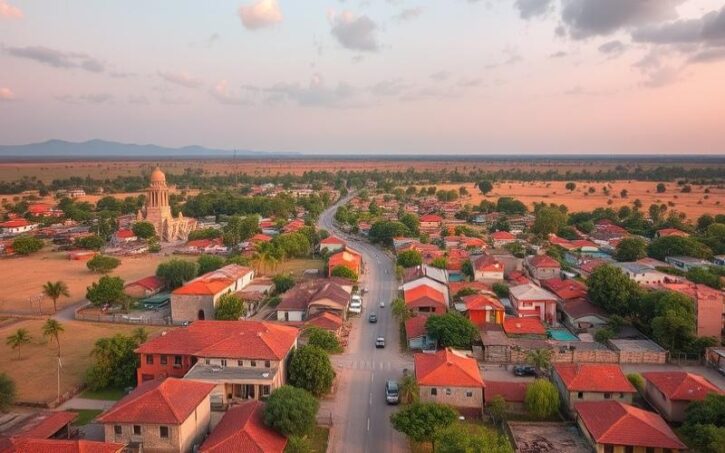
Kampala is often described as a vibrant, colorful city, dotted with hills, with intense social life and remarkable hospitality. You’ll encounter expats, diplomats, African entrepreneurs, an emerging local middle class, and a very young population. The city is close to Lake Victoria, offering quick getaways to resort areas like Munyonyo or Buziga.
The downside is chaotic urban planning, monstrous traffic jams during rush hour, significant air pollution (annual average index classified as “unhealthy”), and still fragile infrastructure: power cuts, degraded roads, slow internet (often 2 to 3 Mbps on average), not to mention unequal quality in public services.
Tap water is not drinkable, even in Kampala, and requires filtration or buying bottled water. The electrical grid operates at 240V/50Hz (230V/50Hz in Kampala, compatible with most European appliances) with British-style outlets. Frequent power cuts in some neighborhoods make it essential to check if a home has a generator or inverter.
Pros and Cons for Expats
The positives often mentioned by foreign residents revolve around friendliness, an affordable cost of living, pleasant weather year-round (tropical climate averaging 23–25°C with two rainy seasons), and ease of building a social network. Ugandans are described as welcoming, soft-spoken, with great importance placed on greetings and politeness.
Several challenges are frequently encountered: dangerous road traffic, slow or unreliable internet connection, insufficient public healthcare system, business complexity, an undemocratic political environment, imperfect security (especially for women and LGBT+ individuals), and a general framework requiring caution.
The country is largely safe for a cautious expat, but Western countries classify Kampala as a high-threat area for crime and terrorism. This requires a higher level of vigilance than in many Western metropolises, especially at night, near sensitive borders, and during election periods.
Cost of Living: How Much to Budget for Your Move?
Figures vary depending on lifestyle, but all available data converges: Uganda is cheaper than the world average (approximately 1.7 times less expensive than average) and Kampala, while the most expensive city in the country, remains much more affordable than a European capital.
For a single expat, a “decent” monthly budget in Kampala generally ranges from $1,000 to $1,500, including housing, with the possibility of living more simply around $700–$900 if you adopt a more local lifestyle. Families of four can aim for $1,600 to $2,500 per month.
Here is a summary of approximate ranges, combining several sources cited in the data:
| Profile | Estimated Monthly Budget (with rent) | Main Remarks |
|---|---|---|
| Single “localized” | $700 – $1,200 | More local lifestyle, housing outside the city center |
| Standard expat | $1,000 – $1,500 | Safe neighborhood, some outings, internet, car |
| Comfortable digital nomad | $1,600+ | Coliving or furnished apartment + coworking, leisure |
| Family of 4 | $1,600 – $2,500 | Local or mixed school, outside Kololo/Nakasero |
| Family of 4 (intl. school) | $3,000+ | Very significant international school fees |
The cost of living for a “typical” expat mentioned in some sources is around $750 per month, but this assumes a moderate standard of comfort and likely housing outside the most upscale neighborhoods.
Housing and Rent
Housing is a key expense. Kampala has a confirmed housing shortage: national housing deficit, rapid urbanization, attractive rental yields for owners, keeping prices at levels sometimes surprising for a low-income country.
Based on available data:
| Type of Housing (Kampala) | Indicative Monthly Rent Range |
|---|---|
| Studio in average urban area | ≈ 1,000,000 UGX (≈ $270) |
| 1 bedroom city center | $267 – $375 |
| 1 bedroom outside center | $140 – $190 |
| 2-bedroom standard in city | ≈ 1,800,000 UGX (≈ $485) |
| 3 bedrooms city center | $669 – $874 |
| 3 bedrooms outside center | $338 – $345 |
| “Simple” house (2 rooms) | From 500,000 UGX (≈ $150) |
| Unfurnished entire house (center) | Up to $1,000 |
| Fully furnished house (central area) | Around $1,500 |
In upscale neighborhoods like Kololo, Nakasero, or Munyonyo, it’s common to see 2-bedroom apartments exceeding 3 million shillings (often between 3 and 5 million UGX, i.e., $800 to $1,350), especially in modern secure residences with a generator, security guard, and covered parking.
Most landlords require several months’ rent in advance – three months is common, some demand six months or more. Add a security deposit (often equivalent to one month) and, if you use an agent, a commission commonly amounting to one month’s rent.
Furnished apartments cost more: the premium is often between 30% and 50% of the rent for an unfurnished property, or a fixed supplement (e.g., 400,000 to 800,000 UGX more per month).
Utilities, Internet, Transportation, Daily Life
Basic utilities (electricity, water, garbage) vary widely depending on the size of the home and your consumption:
The maximum amount in dollars of monthly bills for an apartment of about 85 m².
High-speed unlimited internet is more expensive than in Europe, especially if you aim for a stable connection:
– Fixed plan 50+ Mbps: around $47 per month, sometimes more.
– Mobile plan (10 GB data): about $10 per month, typically around 30,000 UGX.
For daily life:
– A simple meal at an inexpensive restaurant: $2.7 to $3.6 (5,000 to 15,000 UGX).
– A more elaborate dinner for two at a mid-range restaurant: about 100,000 UGX.
– A local beer (0.5 L): often around $1 at the bar.
– A “Western-style” coffee: $3 at a trendy café.
Transportation:
– Minibus or shared taxi ticket: 2,000 to 5,000 UGX for a one-way trip.
– Taxi ride (Uber/Bolt) of 7 to 10 km: 20,000 to 30,000 UGX.
– Short boda-boda (motorbike taxi) ride: 1,000 to 5,000 UGX, but safety is a real concern.
Leisure expenses remain reasonable: a monthly gym membership often costs between $38 and the equivalent of 160,000 UGX, a cinema ticket around $5 to $7.
Where to Live in Kampala? Overview of Expat-Favored Neighborhoods
Kampala is a city of hills, each with its own personality. For an expat, the choice of neighborhood depends on the combination of budget / safety / accessibility / proximity to schools and services.
Kololo: The “Beverly Hills” of Kampala
Perched on a central hill, Kololo concentrates embassies, diplomatic residences, large colonial houses surrounded by gardens, and upscale apartment buildings. It offers high-end infrastructure: chic shops, restaurants, clubs, golf courses (Uganda Golf Club), as well as proximity to Acacia Mall and hotels like the Kampala Serena.
Kololo is frequently referred to as the “Beverly Hills of Kampala”: enhanced security, wide streets, abundant greenery… but rents and property prices reflect that. Plots can exceed one million dollars, and rents are 2–3 times higher than in an average neighborhood. Traffic is dense during rush hours, and road closures for diplomatic reasons sometimes complicate circulation.
Nakasero: Business and Diplomatic Hub
Nakasero is the heart of the business district. It houses the State House, ministries, the bustling Nakasero Market, large hotels, shopping centers like Garden City, as well as restaurants and bars frequented by expats.
The Evere neighborhood offers a varied residential property portfolio, ranging from luxury apartments to older houses. The area is known for being well-secured. A major point to watch is traffic, as the area frequently experiences congestion. This living environment is particularly suitable for people working in European institutions, embassies, or large companies, who value proximity and quick access to their workplace.
Bugolobi: Quiet and Well-Equipped Residential Area
Bugolobi offers an interesting compromise: a fairly quiet residential neighborhood, with spacious houses and well-maintained gardens, as well as some modern apartment buildings. The community is known for being close-knit, with several supermarkets, international schools, and leisure facilities.
Bugolobi Village Mall, with brands like Carrefour, Woolworths, and KFC, adds to the area’s appeal. Bandali Rise, an upscale nightlife artery, livens up evenings but can generate noise depending on your exact location.
Muyenga and the Lake Victoria Hills
Muyenga overlooks the shores of Lake Victoria, with stunning views, villas with lush gardens, and a more “resort” atmosphere. It is sometimes compared to another “Beverly Hills,” very popular with wealthy expats, businesspeople, and senior officials.
The neighborhoods of Buziga, Munyonyo, Port Bell, and Kaazi, located on the lakefront, offer a peaceful environment with infrastructure such as marinas, resorts (Speke Resort, Yellow Haven Lodge), and water activities. A major advantage is quick access to the highway leading to Entebbe Airport. However, land is very expensive, illustrated by small plots selling for several hundred thousand dollars in Munyonyo.
Naguru, Ntinda, Bukoto: Popular Mid-Range Options
Naguru, perched on a high hill, offers panoramic city views, quieter streets, well-built houses and apartment buildings, international schools like Kampala International School of Uganda, and a family-friendly vibe. It is very secure and remains cheaper than Kololo.
Ntinda, east of the center, is one of the fastest-growing neighborhoods. A mix of residential and commercial, it attracts a local middle class, young professionals, students, and expats on tighter budgets. You’ll find shopping centers, bars, lively street food, and more affordable secure residences.
Bukoto, north of the center, combines lively markets, reasonably priced housing, several schools and hospitals. Some expats report being able to walk at night without feeling unsafe, which remains rare in Kampala.
Lubowa, Kira, and Other Expanding Suburbs
Lubowa, south on the Entebbe road, is a rapidly developing residential area popular with elites and expats: gated communities like Royal Palms Estate, modern shopping centers, international schools, with comfort and safety heavily emphasized.
Kira, on the outskirts, offers a wide range of housing, from budget apartments to luxury villas. Life there is marked by strong community cohesion and modern amenities, such as schools. It’s a smart choice if you’re willing to accept a longer commute in exchange for lower rents.
Kabalagala, Kansanga, Kamwokya: More “Local” and Lively Neighborhoods
Kabalagala is the go-to for popular nightlife: bars, clubs, cheap restaurants, a vibrant music scene. The area is sometimes described as more “ghetto,” but attracts students, young professionals, budget-conscious expats, or those who love intense local life. You can try specialties like the famous “Rolex” (omelette rolled in a chapati), and encounter khat (Mira) chewers or traditional beer (Malwa) drinkers.
Kamwokya, Kansanga, Kanyanya, or Namungoona offer lower rents, a very good public transport network, and a deeper dive into daily Ugandan life, away from typical expat enclaves.
Kampala’s rental market is described as dynamic and competitive, with a vacancy rate around 12% according to recent estimates, but strong disparities depending on neighborhood and segment (luxury, mid-range, popular).
Where and How to Search?
The most common search channels are:
– Real estate agencies (preferring names reputable among expats, like Juha Properties).
– Specialized online platforms for Ugandan real estate (Lamudi, Jumia House, Property24, Private Property Uganda, Estate Ridge, Spectrum Properties, Rentwide).
– Listings in the local press.
– Expat Facebook groups (“Kampala Expats 3.0,” “Diary of a Muzungu,” etc.) and word of mouth, which play an essential role.
– Airbnb listings for a temporary first foothold.
Since the real estate sector is only partially regulated, it is crucial to verify that the broker holds a valid license from the Ministry of Lands, Housing and Urban Development. Stories of bad experiences with unscrupulous intermediaries exist, including demands for non-refundable agency fees, property visits that don’t match announced criteria, and broken promises.
Asking for detailed photos and videos before an in-person visit avoids unnecessary trips, especially when you are not yet on the ground.
Negotiating and Securing Your Lease
Negotiation is the norm. Before discussing, it is useful to research comparable properties in the same area and understand the landlord’s motivations (urgent need to rent, plans to sell, etc.).
Typical documents in an expat’s rental application include: proof of identity, proof of income, employment contract or employer letter, tax return, bank details, rental history, and possibly references from previous landlords.
To build a strong rental application, here are the supporting documents commonly requested by landlords or real estate agencies.
A readable copy of your valid passport to prove your identity and nationality.
Your employment contract and a recent employer letter to demonstrate stable resources.
Contact details of your previous landlords, if possible, to attest to your reliability as a tenant.
A recommendation or guarantee letter from your employer, sometimes required to complete the file.
A written contract is essential, even if some landlords are reluctant. If possible, have it reviewed by a lawyer. Legal fees can range from $200 to $500, often a prudent investment given the amounts at stake.
Items to clarify in the lease:
– Rent amount and indexation terms.
– Lease duration (often one year, but negotiable).
– Amounts paid in advance and conditions for refund.
– Who pays which utilities (water, electricity, security, garbage, common area maintenance).
– Right to early termination and conditions (notice period, possible penalties).
– Permission for minor modifications (air conditioning, painting, etc.).
It is advisable to aim for rent not exceeding 30% of your monthly income, to keep flexibility for other costs (health, schooling, travel).
Visa, Work Permits, and Legal Framework: What You Need to Know
Administratively, Uganda clearly distinguishes between the right to enter the country (visa) and the right to work (work permit). The competent body is the Directorate of Citizenship and Immigration Control (DCIC), under the Ministry of Internal Affairs.
The E-Visa System
Since 2016, all visa and permit applications are made online on a single platform (https://visas.immigration.go.ug). Paper applications are refused or delayed.
Main types of visa for a newcomer:
– Single-entry tourist visa (about $50 USD, stay up to 90 days, extendable by 60 days).
– Multiple-entry visa (6 to 12 months at $100 USD, 24 months at $200 USD).
– East Africa Tourist Visa ($100 USD) allowing unlimited back-and-forth during 90 days between Uganda, Kenya, and Rwanda, but without work authorization.
– Transit visa (about $35 to $50 USD).
– Diplomatic or official visa (free, on Note Verbale).
Nationals of EAC member countries (Kenya, Tanzania, Rwanda, Burundi, South Sudan, DRC) and COMESA, as well as those from a list of third countries, are exempt from visas for short stays. For most European or North American travelers, obtaining an e-visa before departure is mandatory.
The standard application includes: documents necessary for project management, relevant information on stakeholders, as well as decisions made during meetings.
– Passport valid for at least six months after entry date.
– Recent passport photo on a white background.
– Yellow fever vaccination certificate.
– Proof of return or onward ticket.
– Accommodation reservation or invitation letter.
Processing times are stated to be between 2 and 3 business days, but it is wise to allow at least one week.
Working Legally: Work Permits
Any paid work, including volunteering with an NGO, requires a work permit separate from the entry visa. Permits are classified into different categories (A, B, C, D, F, G, H, etc.) depending on the profile (diplomat, investor, employee, professional, missionary, retiree with external income…).
Maximum cost for a Class G2 work permit for an expatriate employee over a 3-year period.
Applications require:
– Valid passport.
– Passport photos.
– Employment contract and employer’s cover letter.
– Recent criminal record extract.
– Diplomas and proof of qualifications, sometimes officially translated.
– Company documents (registration, tax number, staff list indicating nationality).
– Sometimes a justification of the impossibility of recruiting a Ugandan for the position.
The employer is supposed to sponsor the application and have a recognized organization code from immigration. Working without a permit exposes the employee to risks of penalties, deportation, and legal action for the employer.
Specific permits also exist for: transport of dangerous goods, transport of persons, public transport of goods, ambulance services, moving activities, security services.
The Kingdom of Cambodia offers different types of long-term visas, adapted to the applicant’s profile and motivations. Here are the main categories.
Class G1 visa, intended for missionaries, volunteers, and workers of non-governmental organizations. This category generally benefits from the most advantageous fees.
Class B, C, or D visas for investors. Obtaining them is subject to stricter requirements, especially regarding investment amount and obtaining appropriate business licenses.
Class H visa for retirees or residents with income from abroad. This visa requires proof of a fairly high minimum annual income.
Processing times for permits are longer than for tourist visas: often several weeks, sometimes a few months. A “Special Pass” may be issued to cover the waiting period if the person already needs to be on site.
Family, Long-Term Residence, Citizenship
Spouses and dependent children of a work permit holder can obtain a “dependent pass,” aligned with the duration of the main permit, by presenting marriage certificates, birth certificates, medical certificates, proof of financial capacity.
Access to permanent residence or citizenship is possible but lengthy, expensive, and bureaucratic. Marriage to a Ugandan citizen, for example, opens the path to naturalization, but the process requires numerous documents (references, certificates, proof of continuous residence for at least five years, medical exams) and payment of high fees (several thousand dollars in total).
Health, Insurance, and Healthcare System
Historically very fragile, Uganda’s health system has improved but remains below Western standards. It is structured on several levels, from village health teams to large specialized hospitals in cities.
Public hospitals aim to provide a basic minimum of care but suffer from underfunding: medicine shortages, lack of modern equipment, overloaded services. Quality varies greatly depending on the facility and region.
In Kampala and large cities, expats almost always prefer the private sector: private clinics and hospitals offer a higher level of comfort, equipment, and skills, often with English-speaking staff, but costs are significantly higher and payment in advance is the norm.
Among the reference facilities for an expat:
Kampala has reputable health facilities, including Case Hospital, considered one of the best in the city. International Hospital Kampala (IHK) is widely used, especially for its surgery and cardiology services. Nakasero Hospital is another benchmark in the private sector. The city also hosts specialized cutting-edge structures like the Uganda Heart Institute and Uganda Cancer Institute.
In case of complex pathology, some expats seek treatment in Kenya or abroad, hence the critical importance of taking out international health insurance covering medical evacuation.
Major health risks include:
– Malaria, endemic: prophylaxis is advised, as well as mosquito nets and repellents.
– Water and food-borne diseases (typhoid, hepatitis, traveler’s diarrhea).
– Occasional epidemics (Ebola, Marburg, cholera) in certain areas.
– HIV prevalence rate among adults around 5–6%, requiring caution and regular testing if you have a new partner.
In addition to basic vaccines (tetanus, diphtheria, whooping cough, measles), yellow fever vaccination is mandatory for entry. It is also recommended to get vaccinated against hepatitis A and B, typhoid, and, depending on the nature of your stay, rabies.
Health Coverage: Don’t Skimp
Even though a national health insurance scheme exists, it does not meet expatriate expectations. International specialized companies (Cigna Global, Allianz, April International, AXA, GeoBlue, SafetyWing, etc.) offer more suitable plans: coverage in private hospitals, evacuation, maternity, dental, and optical options.
Local insurers like AAR can also be an option, but the important thing is to check:
– Reimbursement caps.
– Network of approved clinics.
– Medical evacuation terms.
– Exclusions (pre-existing conditions, risky sports accidents).
For a long-term stay, it is advisable to prioritize coverage quality over the lowest price.
Safety, Crime, and Political Context
Official advisories from Western countries converge: a high degree of caution is required in Uganda. Kampala is assessed as a critical threat area for crime and a high threat area for terrorism by some governments.
This does not mean daily life is dangerous all the time, but that a number of structural risks exist.
Everyday Crime and Targeted Risks
The most common forms of delinquency for an expat are: theft, scams, and assaults. It is important to be vigilant and take measures to ensure your safety.
– Pickpocketing in markets, taxi parks, crowded places.
– Phone snatching by passersby or from motorcycles (especially when talking on the phone with the car window open).
– Home burglaries, sometimes with presumed complicity of domestic or security staff.
– Financial scams and online romance scams.
Violent crime (armed robberies, serious assaults) exists, especially in urban peripheries and some rural or border areas, but affects few foreigners who follow a few basic rules:
For your safety, it is advisable to limit walking at night, especially on poorly lit streets, and to prefer taxis or ride-hailing services after dark. Avoid displaying valuables like jewelry, latest smartphones, or large sums of cash. In the car, don’t open windows in heavy traffic. At home, rigorous security is recommended, including installing bars, strong locks, guards, and sometimes alarm systems.
Upscale hotels and large shopping centers have security checks (metal detectors, vehicle searches) that reduce the risk of incidents.
Terrorism and Regional Tensions
Uganda faces threats from organizations linked to the Islamic State, particularly the ADF (Allied Democratic Forces), based mainly in eastern DRC, as well as a persistent risk from Al-Shabaab due to Uganda’s military engagement in Somalia.
The country has already experienced deadly attacks (in 2010 during the World Cup, and more recently in central Kampala in 2021). Targeted attacks have hit schools, tourists in national parks, and threats have been made against highly publicized cultural events.
Authorities and Western embassies regularly issue temporary alerts (for example during festivals, in certain malls or universities), leading to enhanced security measures. For an expat, the sensible conduct is to:
– Follow embassy instructions.
– Avoid mass gatherings when an alert is active.
– Stay informed via local media and official channels.
Political Context and Specific Laws
The political climate remains tense, especially around national elections. Demonstrations can quickly turn violent, with security forces not hesitating to use tear gas, rubber bullets, or even live ammunition. Foreigners are rarely targeted, but it is strongly advised not to get involved in political gatherings.
The 2023 Anti-Homosexuality Act severely criminalizes same-sex relations and any “promotion” of homosexuality, with penalties ranging from life imprisonment to the death penalty. The legal and social climate is extremely hostile, requiring great discretion from affected expats and potentially questioning their relocation project.
Other legal provisions often surprise newcomers:
– Ban on importing or wearing camouflage or military-style clothing (very severe penalty in theory).
– Ban on smoking in public places and near public buildings (including hookah and e-cigarettes).
– Strict drug regulations, with heavy prison sentences.
– Obligation to declare and get authorization to use drones.
– Restrictions on photographing certain sensitive sites (military infrastructure, power plants, etc.).
Transportation, Mobility, and Daily Management
Getting around Kampala is one of the main practical challenges. Roads are often congested, sometimes in poor condition, driving is aggressive, and the coexistence of cars, trucks, boda-bodas, and pedestrians is chaotic.
Taxi, Boda-Boda, Minibus: What to Choose?
Available options are multiple:
For getting around Nairobi, prefer ride-hailing apps (Uber, Bolt) for their safety and reasonable fares. Private taxis (“special hire”) require negotiating the price before the trip. Shared minibuses (matatus) are very cheap but uncomfortable and confusing for newcomers. Finally, if you opt for a boda-boda (motorbike taxi), use an app like SafeBoda, wear a quality helmet, and be very cautious due to the risk of serious accidents.
Within the country, buses and pick-ups connect cities. Authorities advise against nighttime intercity travel, except on the Kampala–Entebbe road, due to accident risks, animals on the road, and crime on certain sections.
Many expats eventually buy a used car – often a robust 4×4 or SUV – for greater independence. Prices are relatively high for sometimes old vehicles, and there are risks of scams (tampered odometers, vehicles imported in dubious ways). It is wise to be accompanied by a knowledgeable person or a trusted garage.
Telecoms, Internet, and Coworking
The two main telecom operators are MTN and Airtel. Getting a SIM card requires presenting your passport (and sometimes visa), with a photo taken on the spot. Data plans are widespread, and many expats prefer to rely mainly on 4G rather than fixed connections, which are considered intermittent.
This is the average monthly cost in dollars of a flexible membership in a coworking space in Kampala.
Using a VPN is recommended, both for privacy reasons and to bypass possible temporary blocks of certain social networks during sensitive periods.
Banks, Money, and Financial Management
The currency is the Ugandan shilling (UGX). The country operates mostly on cash, even though bank cards are accepted in large retailers, hotels, restaurants frequented by expats, and some supermarkets.
For an expat, it is advisable to withdraw large lump sums occasionally (for example 1,000,000 UGX, about $270–$280) from ATMs located in well-established banks or secure shopping centers, then pay as much as possible in cash.
To open a local bank account, institutions generally require: a valid ID, proof of address, and possibly an initial deposit.
To open a bank account, you generally need to provide: a valid passport, a valid visa or work/residence permit, a recent passport photo, proof of address (bill, lease contract, employer or town hall letter), proof of income (employment contract, payslip, employer letter), a tax identification number (TIN) for some banks, and sometimes a specific form for US citizens (FATCA).
Some banks offer partially online account opening, with electronic submission of documents, then validation at a branch. Accounts dedicated to expats or the diaspora exist, designed to facilitate international transfers.
Many expats keep their home bank, combining international cards, transfers via specialized platforms (like Wise, mentioned in some resources), and multi-currency wallets.
Working in Uganda: Promising Sectors and Salary Realities
Sectors that hire foreigners focus on: health, IT, construction, hospitality, and food service.
– NGOs and international organizations.
– Diplomacy, cooperation missions.
– Public health and development projects.
– Telecoms, tech, and certain business services.
– Teaching at international schools.
– Oil, gas, and infrastructure projects with high technical dimensions.
Uganda prioritizes employment of its nationals for low- to medium-skilled positions. Expats are expected in roles of specialized expertise, management, or in fields where local labor is insufficient.
The local median net monthly salary, which covers only a small portion of the urban cost of living.
Starting your own business is possible but requires a good dose of patience: registration formalities, licenses, inspections, taxes, controls sometimes marked by corruption and arbitrariness. Before launching an entrepreneurial project, it is essential to surround yourself with reliable local advisors and, if possible, Ugandan partners who know the ecosystem well.
Family and Schooling: Living in Uganda with Children
Despite an environment sometimes perceived as difficult, Uganda is often described as relatively “family-friendly” by expat families: pleasant climate, possibility of houses with gardens, outdoor activity offerings, and a dense international school network around Kampala.
Families should, however, keep several points in mind:
– The quality of public infrastructure (health, education) remains uneven.
– School transport is usually by school bus or private driver, as walking is not always safe.
– International education is a major budget item.
Annual tuition fees at the most prestigious international schools can exceed $20,000 per child.
The table below provides an order of magnitude for common annual fee ranges at international schools in Kampala, based on available data:
| Type of School | Indicative Annual Fee Range |
|---|---|
| Preschool / Primary (international) | $2,000 – $6,000 |
| Middle / High School (IGCSE / A-Levels) | $4,000 – $15,000 |
| Very high-end IB schools | Up to $25,000 – $30,000 |
Public schools, much more affordable, may not necessarily meet expat expectations in terms of pedagogy, class size, infrastructure, and international curriculum continuity, but can be an option for those seeking strong cultural immersion and English proficiency.
Integrating: Culture, Networks, and Social Life
One of Uganda’s strengths for an expat is the friendliness of its people. Greetings are of paramount importance; time is taken to ask about family and work before getting to the heart of a conversation. Saying a few words of Luganda – “webale” (thank you), “nyabo” (madam), “sebbo” (sir) – is highly appreciated.
Ugandans love to party: Kampala’s nightlife scene is famous, with bars and clubs open late, even all night, especially in Kololo, Kabalagala, and along some stretches of Acacia Avenue. Music, football (and the English Premier League), politics, and social life are recurring conversation topics.
For an expat, integration often happens through:
To integrate and get practical advice, expats in Uganda can join dedicated Facebook and WhatsApp groups. Social life also organizes through networking events like InterNations, cultural institutes (Goethe-Institut, Alliance Française), or sports clubs. Outdoor activities are offered by organizations such as the Mountain Club of Uganda or running groups like the Kampala Hash House Harriers. Finally, churches and religious communities, often very international, are another important meeting point.
Nevertheless, one must remain aware of perception dynamics: the figure of the “muzungu” (Swahili word commonly used for white people or foreigners in general) is associated with wealth. Requests for help, school sponsorship, jobs, or financial support are common, and it is important to set clear boundaries to avoid being overwhelmed.
Preparing Your Departure: What to Bring and What You’ll Find Locally
The hot and humid climate calls for lightweight clothing, cotton or linen, not too fragile, and suitable for hand washing or the red dust of the roads. Overly sophisticated outfits don’t last long. Dress culture remains quite conservative: for women, very short skirts or low necklines easily attract stares and may be poorly perceived.
In your suitcase, it is wise to plan for:
Before you leave, pack a supply of your personal medications and prescriptions. Also prepare a basic health kit including antiseptics, bandages, anti-diarrheal treatment, mosquito repellent, and ointment for minor burns. For getting around, a suitable helmet is essential if you use boda-bodas (motorbike taxis), as well as rain gear, especially during the wet seasons. Finally, bring the electronic devices you need (computer, smartphone), as they are expensive locally and may be of uncertain quality due to counterfeiting risks.
Basic products, clothing, furniture, standard appliances can be found in Kampala, but often at higher prices than in Western countries if you seek the same quality. Imported products (European cheeses, wines, high-end cosmetics, high-tech equipment) are expensive and should be factored into the budget if you care about them.
In Summary: A Demanding but Rewarding Expatriation Project
Moving to Uganda as an expat, especially to Kampala, offers an experience that is both intense and formative. The country combines solid assets – warm welcome, generally moderate cost of living, exceptional nature, opportunities in many sectors, very lively cultural and social life – with serious constraints: fragile health system, security environment to monitor, administrative burdens, dangerous road network, very restrictive legislation on certain societal issues.
A successful project implies: rigorous planning, effective communication, resource management, and stakeholder involvement.
For a successful expatriation in the Middle East, rigorous administrative preparation is essential (e-visa, work permit, international health insurance). Housing search should be methodical, ideally on the ground, relying on reputable agents and clear contracts. Maintain constant attention to personal and home security, without paranoia but without naivety. Cultivate genuine curiosity for the local culture, make linguistic efforts, and integrate into networks, both local and expat. Finally, adopt a realistic approach to budgets, especially for housing and children’s schooling.
For those who accept this complexity, Uganda can become much more than just a post: a memorable, sometimes demanding, but often endearing place to live, at the heart of East Africa.
Disclaimer: The information provided on this website is for informational purposes only and does not constitute financial, legal, or professional advice. We encourage you to consult qualified experts before making any investment, real estate, or expatriation decisions. Although we strive to maintain up-to-date and accurate information, we do not guarantee the completeness, accuracy, or timeliness of the proposed content. As investment and expatriation involve risks, we disclaim any liability for potential losses or damages arising from the use of this site. Your use of this site confirms your acceptance of these terms and your understanding of the associated risks.

Cyril Jarnias is an independent expert in international wealth management with over 20 years of experience. As an expatriate himself, he is dedicated to helping individuals and business leaders build, protect, and pass on their wealth with complete peace of mind.
On his website, cyriljarnias.com, he shares his expertise on international real estate, offshore company formation, and expatriation.
Thanks to his expertise, he offers sound advice to optimize his clients' wealth management. Cyril Jarnias is also recognized for his appearances in many prestigious media outlets such as BFM Business, les Français de l’étranger, Le Figaro, Les Echos, and Mieux vivre votre argent, where he shares his knowledge and know-how in wealth management.





